How to Grow Crassula Succulents in Malaysia
Crassula succulents, including the beloved Jade Plant, are popular indoor plants that adapt remarkably well to Malaysia’s tropical climate. These hardy succulents are perfect for busy gardeners and beginners, offering attractive foliage with minimal maintenance. This comprehensive guide will help you successfully grow Crassula in Malaysia’s warm, humid conditions.
Understanding Crassula Succulents
Classification: Foliage House Plant (Succulent Family)
Growth Habit: Bushy and upright succulent with thick, fleshy stems
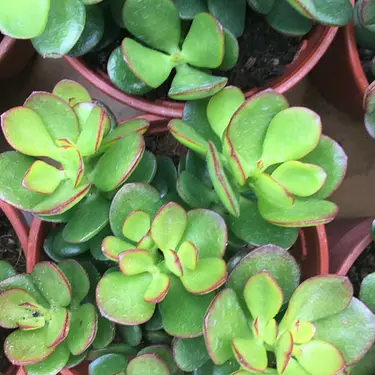
Characteristics: Crassula species display diverse leaf forms ranging from tiny scale-like leaves to large, paddle-shaped foliage several inches long. Leaf colours vary beautifully from grey-green to deep jade, with some varieties showing red or pink edges, especially when stressed by bright light.
Pet Safety: No, Crassula plants are toxic to cats and dogs. Keep them out of reach of pets.
Popular Crassula Varieties for Malaysian Homes
- Crassula ovata (Jade Plant, Money Tree) – The most popular variety with thick, oval leaves
- Crassula ovata ‘Hummel’s Sunset’ – Stunning yellow and red variegated foliage
- Crassula arborescens (Silver Dollar Plant) – Large, round, silvery-blue leaves
- Crassula perforata (String of Buttons) – Stacked triangular leaves creating a geometric pattern
- Crassula falcata (Propeller Plant) – Twisted, propeller-like grey leaves with red flowers
- Crassula lycopodioides (Rat Tail Plant) – Unique stacked, scale-like leaves
- Crassula rupestris – Compact variety with stacked, pointed leaves
Essential Care Guide for Malaysian Climate
Temperature Requirements
Crassula thrives in Malaysia’s average warmth of 24-32°C. These succulents prefer consistent temperatures and should be protected from air conditioning vents that create sudden temperature drops. They’re well-suited to both indoor and sheltered outdoor conditions in our tropical climate.
Light Requirements
Provide bright, indirect light with some direct morning sunlight for best results. In Malaysia’s intense tropical sun, avoid placing Crassula in direct afternoon sunlight, which can cause leaf burn. East-facing windows or partially shaded outdoor areas work perfectly. Insufficient light causes etiolation (stretching) and pale, weak growth.
Watering in Humid Conditions
This is the most critical aspect of Crassula care in Malaysia’s humid environment. Water thoroughly only when the potting medium is completely dry. In our high humidity, this typically means watering every 7-14 days, much less frequently than in drier climates. Always check soil moisture before watering – when in doubt, wait another day. Overwatering is the primary cause of Crassula failure in tropical conditions.
Soil and Potting Medium
Excellent drainage is non-negotiable for Crassula success in Malaysia. Use Serbajadi Cactus Soil, which is specifically formulated for succulents with superior drainage properties. Alternatively, mix regular Serbajadi Potting Soil with perlite or coarse sand in a 1:1 ratio.
Repotting
Crassula grows slowly and rarely needs repotting. Repot only when the plant becomes root-bound or the soil is depleted, typically every 2-3 years. Always use fresh Serbajadi Cactus Soil and a pot with drainage holes. The best time to repot is during the drier months when the plant can recover quickly.
Fertilizing for Healthy Growth
Feed your Crassula during the growing season with specialized succulent fertilizer:
- For foliage growth: Serbajadi Cactus Growing Inducer
- To encourage flowering: Serbajadi Cactus Flowering Inducer
- Comprehensive nutrition: Serbajadi Cactus & Succulent Growth Booster
Apply fertilizer at half strength monthly during active growth periods. Reduce or stop fertilizing during the monsoon season when growth naturally slows.
Troubleshooting Common Problems
Light-Related Issues
- Pale or discoloured leaves: Insufficient light – move to a brighter location
- Leggy, stretched growth (etiolation): Not enough light – relocate closer to a window
- Brown, calloused patches on leaves: Sunburn from excessive direct sun – provide shade during peak hours
Watering Problems
- Shriveled, puckered leaves: Underwatering – increase watering frequency slightly
- Dry, brown, crispy leaves: Severe underwatering – water thoroughly and adjust schedule
- Soft, mushy leaves that fall apart: Overwatering – reduce watering immediately
- Yellowing or translucent leaves: Overwatering – check for root rot
- Blackening at base of plant: Root rot from overwatering – repot in fresh, dry soil
Root and Drainage Issues
- Root rot: Poor drainage or overwatering – repot immediately in Serbajadi Cactus Soil, remove affected roots, and reduce watering
- Stunted growth despite good care: Compacted soil or depleted nutrients – repot with fresh medium
Pest Management in Tropical Conditions
Malaysia’s warm, humid climate can encourage pest problems. Regular inspection is key to early detection.
Common Pests and Solutions
Mealybugs: White, cottony masses on leaves and stems. Wipe off with a cotton bud dipped in rubbing alcohol, then spray with Serbajadi Extra Strength Neem Spray.
Spider Mites: Tiny pests causing stippled, yellowing leaves and fine webbing. These attack water-stressed plants, so maintain proper watering. Treat with Serbajadi Extra Strength Neem Spray and increase humidity around the plant.
Scale Insects: Brown, shell-like bumps on stems and leaves. Scrape off gently with a cotton bud, then spray affected areas with Serbajadi Extra Strength Neem Spray.
Prevention Tip: Healthy, properly watered Crassula plants are naturally more resistant to pests. Quarantine new plants for two weeks before placing them near your collection.
Monsoon Season Care
During Malaysia’s monsoon periods, take extra precautions:
- Move outdoor Crassula to sheltered locations to prevent waterlogging
- Reduce watering frequency as humidity increases
- Ensure excellent air circulation to prevent fungal issues
- Check drainage holes regularly to prevent blockages
- Consider bringing plants indoors during heavy rain periods
Frequently Asked Questions
How often should I water Crassula succulents in Malaysia?
In Malaysia’s humid climate, water your Crassula only when the soil is completely dry, typically every 7-14 days. Always check soil moisture before watering. Overwatering is the most common cause of Crassula problems in tropical environments.
Can Crassula succulents survive in Malaysian weather?
Yes, Crassula succulents thrive in Malaysia’s warm temperatures (24-32°C). However, protect them from excessive rain during monsoon season and ensure excellent drainage to prevent root rot in high humidity conditions.
What fertilizer is best for Crassula in Malaysia?
Use Serbajadi Cactus Growing Inducer for healthy growth or Serbajadi Cactus Flowering Inducer if you want to encourage blooms. These specialized formulas are designed for succulent needs in tropical climates.
Are Crassula plants safe for pets?
No, most Crassula species including the popular Jade Plant (Crassula ovata) are toxic to cats and dogs. Keep them out of reach of pets and consider pet-safe succulents like Haworthia or Echeveria as alternatives.
Why are my Crassula leaves turning yellow?
Yellow leaves typically indicate overwatering or poor drainage. In Malaysia’s humid climate, reduce watering frequency and ensure your pot has drainage holes. If soil is waterlogged, repot immediately in fresh Serbajadi Cactus Soil.
Start Your Crassula Collection Today
With proper care adapted to Malaysia’s tropical climate, Crassula succulents make rewarding, low-maintenance houseplants that can live for decades. Remember the golden rule: when in doubt, underwater rather than overwater. Visit Serbajadi’s online store for all your succulent care needs, from specialized soil to targeted fertilizers designed for Malaysian growing conditions.