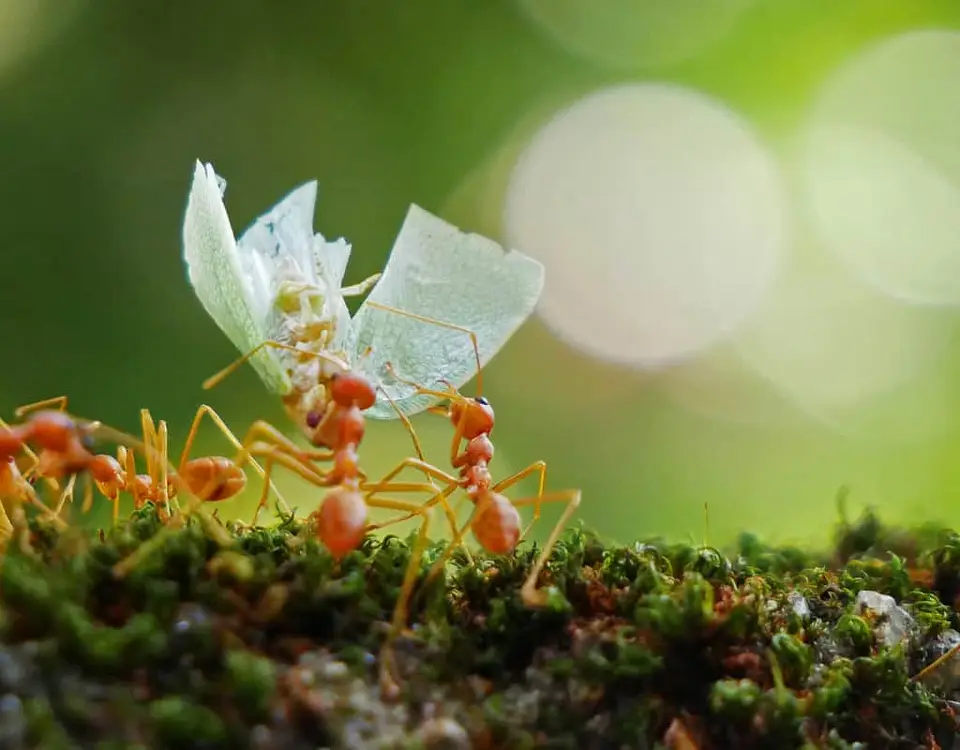
Why Ants Eat Seeds: Understanding Elaiosomes and Natural Ant Control in Malaysian Gardens
If you’ve ever wondered why ants carry away seeds from your garden pots or seed trays, you’re not alone. This common frustration for Malaysian gardeners has a fascinating scientific explanation—and the answer lies in tiny structures called elaiosomes. Understanding why ants eat seeds can help you manage them sustainably while appreciating their ecological role in our tropical gardens.
Ants in Malaysia: A Diverse and Abundant Population
Malaysia’s warm, humid climate (24-32°C with humidity often exceeding 80%) creates ideal conditions for insects, particularly ants. Our country is home to all 12 ant subfamilies, representing a significant portion of the 20,000 known ant species worldwide. These social insects live in structured colonies with diverse habitats—some nest underground, others build mounds at ground level, while many inhabit wood structures, plants, and trees.
The most common ant species in Malaysian gardens include:
- Black House Ants (Ochetellus): Small, dark ants often found trailing along walls and into homes
- Fire Ants (Solenopsis spp): Aggressive ants with painful stings that build distinctive mound nests
- Ghost Ants (Tapinoma melanocephalum): Tiny ants with dark heads and pale bodies, common in tropical regions
In agriculture and home gardening, ants are often viewed as pests because they carry seeds away from planting pots or consume newly planted seeds. During the monsoon season, when heavy rains can disrupt garden activities, ant problems can become particularly frustrating as they seek shelter and food in protected areas like seed trays and pots.

Seeds with elaiosomes
What Are Elaiosomes? The Secret Behind Ant-Seed Relationships
The reason ants are attracted to certain seeds lies in specialized structures called elaiosomes. These fleshy appendages attach to seeds of many plant species and consist of dead cells rich in lipids and fats. The name derives from the Greek word “elaioi,” meaning oil—a reference to their high oil content.
Why Plants Produce Elaiosomes
Elaiosomes serve multiple important functions for plants:
- Attract seed dispersers: The nutrient-rich coating appeals to ants, which carry seeds to new locations
- Induce seed dormancy: Research suggests elaiosomes may help regulate germination timing
- Protect seeds: The coating provides a physical barrier against some environmental stresses
- Maintain moisture: Elaiosomes help seeds retain water content necessary for successful germination
How Ants Use Elaiosomes
Adult ants collect seeds with elaiosomes and carry them back to their nests. They feed the nutrient-rich elaiosome coating to their developing larvae. After the larvae consume the elaiosome, worker ants discard the undamaged seed onto the colony’s waste heap. This behavior is crucial—the seed remains viable and is now positioned in a nutrient-rich environment ideal for germination.
Myrmecochory: Seed Dispersal by Ants
The ecological relationship between ants and elaiosome-bearing seeds is called myrmecochory—seed dispersal by ants. This phenomenon occurs worldwide and represents an ecologically significant plant-insect interaction, particularly important in tropical ecosystems like Malaysia’s.
Ecological Benefits of Myrmecochory
In natural environments, ant-mediated seed dispersal provides several advantages:
- Protection from predators: Seeds buried in ant nests are hidden from seed-eating animals and birds
- Reduced competition: Seeds dispersed away from parent plants face less competition for light, water, and nutrients
- Increased genetic diversity: Ants transport seeds considerable distances, promoting genetic variation in plant populations
- Nutrient-rich germination sites: Ant waste heaps are rich in nitrogen and other nutrients, providing ideal conditions for seedling establishment
- Improved germination rates: Some seeds only germinate after elaiosomes are removed—a service ants provide naturally
The Challenge for Home Gardeners
While myrmecochory benefits wild ecosystems, it creates challenges for Malaysian home gardeners. When you carefully plant seeds in pots or trays, ants may carry them away before germination occurs. In our tropical climate with frequent afternoon rains and high humidity, this can result in significant seed loss and gardening frustration.
Sustainable Ant Control for Malaysian Gardens
The key to managing garden ants is balance—controlling problematic populations while recognizing their ecological value. Complete elimination isn’t necessary or beneficial; sustainable management is the goal.
When to Control Ant Populations
Consider ant control measures when:
- Ants are removing seeds from pots or seed trays before germination
- Fire ants create safety hazards with aggressive behavior and painful stings
- Ant colonies damage plant roots or destabilize potted plants
- Large ant populations attract other pests or enter your home
Botanical Insecticide: The Sustainable Solution
For effective, environmentally responsible ant control in tropical Malaysian gardens, botanical insecticides offer the best solution. GarNeem Ants & Termites provides targeted control using neem oil, a natural compound derived from the neem tree.
Why Choose Neem-Based Ant Control?
- Botanical origin: Derived from natural plant sources
- Targeted action: Affects problem insects while being gentler on beneficial species
- Suitable for tropical climates: Effective in Malaysia’s warm, humid conditions
- Sustainable approach: Manages populations rather than causing complete elimination
- Safe application: When used according to instructions, appropriate for home gardens
Practical Ant Management Tips
Combine botanical insecticides with these practical strategies:
- Physical barriers: Cover seed trays with fine mesh or netting for the first 7-10 days after sowing
- Timing: Plant seeds during periods of lower ant activity when possible
- Seed treatment: For valuable seeds, consider starting them in protected indoor areas
- Garden hygiene: Remove food sources and standing water that attract large ant colonies
- Monitoring: Regularly inspect your garden to catch ant problems early
Finding Balance: Ants as Both Helpers and Hindrances
Understanding the relationship between ants and seeds reveals an important truth: these insects play complex roles in our gardens. While they can frustrate gardeners by removing seeds, ants also contribute to ecosystem health through seed dispersal, soil aeration, and pest control (some ant species prey on harmful insects).
In Malaysia’s tropical environment, where biodiversity is high and ecological relationships are intricate, maintaining balance is crucial. Rather than viewing ants as enemies to be eliminated, consider them as garden inhabitants to be managed sustainably. Use botanical controls like GarNeem Ants & Termites when necessary, but also appreciate the ecological services these tiny creatures provide.
Frequently Asked Questions
Why do ants carry away my garden seeds?
Ants are attracted to seeds that have elaiosomes—fleshy, nutrient-rich structures attached to seeds. These elaiosomes contain lipids and fats that ants feed to their larvae. After consuming the elaiosome, ants discard the undamaged seed in their waste heap, which can actually help with seed dispersal and germination.
What are elaiosomes and why do plants produce them?
Elaiosomes are fleshy structures made of dead cells, lipids, and fats that attach to certain plant seeds. The name comes from “elaioi,” meaning oil. Plants produce elaiosomes to attract ants for seed dispersal (myrmecochory), protect seeds from predators, induce dormancy, and help seeds retain moisture for successful germination.
Are ants beneficial or harmful to my Malaysian garden?
Ants play both roles in tropical Malaysian gardens. They benefit ecology by dispersing seeds, protecting them from predators, providing nutrient-rich germination sites, and increasing plant genetic variation. However, they can be problematic when they remove seeds from pots or seed trays before germination. Sustainable control is key—manage populations rather than eliminating them completely.
How can I control ants in my garden naturally?
Use botanical insecticides like GarNeem Ants & Termites spray, which contains neem oil. This sustainable solution controls ant populations without harming beneficial insects or the environment. Apply around affected areas and seed trays, and consider using physical barriers like fine mesh netting over newly sown seeds during the critical germination period.
What ant species are common in Malaysian gardens?
Malaysia hosts all 12 ant subfamilies from the 20,000 known ant species worldwide. The most common garden ants include Black House Ants (Ochetellus), Fire Ants (Solenopsis spp), and Ghost Ants (Tapinoma melanocephalum). Each species has different behaviors and habitat preferences, from underground nests to mounds and tree colonies.
Looking for effective ant control solutions? Visit Serbajadi Grow Joy Shop for botanical pest management products suited to Malaysia’s tropical climate.
Want to learn more about tropical gardening? Check out Serbajadi Grow Joy TV for expert videos on plant care, pest management, and sustainable gardening practices.