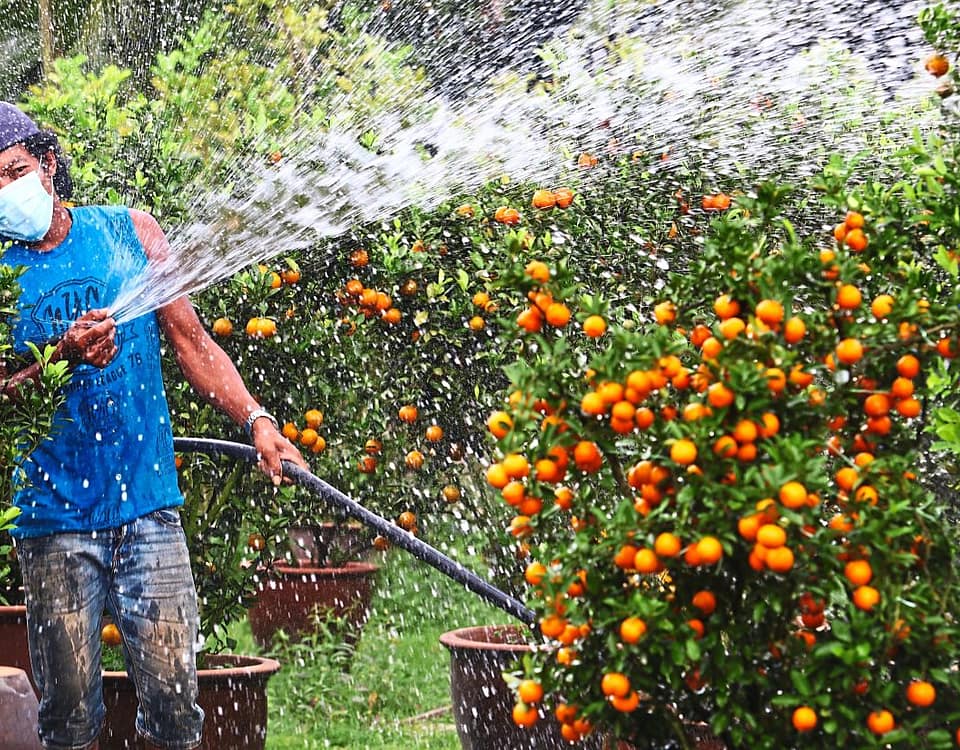
Citrus Plant Care Malaysia: 6 Essential Tips for Healthy Growth
Citrus plants—including lime, mandarin orange, kumquat, and calamansi—are cherished symbols of prosperity and joy, especially during Chinese New Year celebrations. These auspicious plants bring not only cultural significance but also the promise of fresh, homegrown fruit. Whether you’re growing citrus in containers on your balcony or in your garden, Malaysia’s tropical climate (24-32°C with high humidity) provides excellent conditions for these sun-loving plants.
Success with citrus plant care in Malaysia requires understanding their specific needs in our warm, humid environment. From managing monsoon rains to preventing common tropical pests, these six essential care tips will help your citrus plants thrive year-round and produce abundant, healthy fruit.
1. Provide Adequate Sunlight for Optimal Growth

Citrus plants are sun-worshippers that require 6-8 hours of direct sunlight daily to photosynthesize effectively, develop strong branches, and produce sweet, juicy fruit. In Malaysia’s equatorial climate, morning sun (7am-11am) is ideal as it’s less intense than afternoon rays.
For outdoor citrus: Position plants in locations that receive full sun exposure, such as south-facing areas of your garden or patio. Avoid placing them under dense tree canopies or in shaded corners.
For indoor citrus: Place containers near bright, south-facing windows. If natural light is insufficient (common in apartments), supplement with full-spectrum LED grow lights positioned 30-45cm above the plant canopy for 10-12 hours daily.
Tropical tip: During extremely hot periods (above 35°C), provide light afternoon shade to prevent leaf scorch, especially for young plants or newly transplanted citrus.
2. Master the Watering Schedule

Proper watering is crucial for citrus plant care in Malaysia’s tropical climate. While our high humidity helps, citrus plants still need consistent moisture to support their extensive root systems and fruit development.
Watering frequency: Water mature citrus plants 1-2 times weekly during dry periods. During monsoon season, reduce frequency as natural rainfall provides adequate moisture. Young plants and newly transplanted citrus may require more frequent watering (every 2-3 days) until established.
The finger test: Before watering, insert your finger 2-3cm into the soil. Water only when the top layer feels dry. The soil should remain consistently moist but never waterlogged or soggy.
Proper technique: Water deeply at the base of the plant until water drains from the bottom of the container. This encourages deep root growth. Avoid wetting foliage excessively, as this can promote fungal diseases in our humid climate.
Drainage is critical: Ensure all containers have adequate drainage holes. Root rot is a common problem in Malaysia’s heavy rainfall—if soil remains waterlogged for more than 24 hours, repot using well-draining Potting Soil mixed with perlite or coarse sand.
3. Apply Specialized Citrus Fertiliser

Citrus plants are heavy feeders that require regular fertilisation to support vigorous growth, abundant flowering, and quality fruit production. In Malaysia’s tropical conditions, frequent rainfall can leach nutrients from soil quickly, making consistent feeding even more important.
Use Serbajadi Citrus Special Fertiliser—our organic-based formula is specifically designed for citrus plants in tropical climates. It provides:
- Balanced NPK ratio optimized for citrus growth cycles
- Essential micronutrients including iron, zinc, and magnesium to prevent deficiencies
- Organic matter that improves soil structure and moisture retention
- Slow-release nutrition that won’t wash away during heavy rain
Application schedule:
- Growing season (March-October): Apply every 2-3 weeks
- Flowering period: Increase to every 2 weeks to support bloom development
- Fruiting stage: Continue regular feeding until fruit reaches full size
- Monsoon season: Apply after heavy rainfall to replenish leached nutrients
Application method: Sprinkle fertiliser evenly around the drip line (outer edge of canopy), avoiding direct contact with the trunk. Water thoroughly after application to activate nutrients.
Safety reminder: For edible citrus, observe a strict 7-day withholding period between final fertiliser application and harvest. Always wash fruit thoroughly before consumption.
4. Implement Natural Pest Control

Malaysia’s warm, humid climate creates ideal conditions for citrus pests including aphids, scale insects, mealybugs, spider mites, and citrus leaf miners. Regular monitoring and organic pest control are essential for maintaining healthy plants.
Common citrus pests in Malaysia:
- Aphids: Small green or black insects clustering on new growth
- Scale insects: Brown, waxy bumps on stems and leaf undersides
- Mealybugs: White, cottony masses in leaf axils
- Spider mites: Tiny pests causing stippled, yellowing leaves
- Citrus leaf miners: Larvae creating silvery trails in leaves
Organic pest control solutions:
Use GarNeem Spray or Natural Neem Spray for effective, organic pest management. These neem-based products:
- Disrupt pest feeding and reproduction cycles
- Are safe for beneficial insects like bees and ladybugs
- Won’t harm humans or pets when used as directed
- Provide residual protection for 7-10 days
Application protocol:
- Inspect plants weekly, checking undersides of leaves and new growth
- At first sign of pests, spray affected areas thoroughly in early morning or late evening
- Ensure complete coverage including leaf undersides and stems
- Repeat application every 7-10 days until infestation is eliminated
- For severe infestations, use Extra Strength Neem Spray
Prevention tips: Maintain good air circulation around plants, avoid over-fertilising (which promotes tender growth attractive to pests), and remove heavily infested leaves promptly.
5. Mulch to Retain Moisture and Suppress Weeds

Mulching is an often-overlooked but highly beneficial practice for citrus plant care in Malaysia’s tropical climate. A proper mulch layer provides multiple advantages for your citrus plants.
Benefits of mulching citrus plants:
- Moisture retention: Reduces water evaporation during hot, dry periods
- Temperature regulation: Keeps root zone cooler during extreme heat
- Weed suppression: Prevents competing weeds from stealing nutrients
- Soil improvement: Organic mulches break down to enrich soil
- Erosion prevention: Protects topsoil during heavy monsoon rains
- Disease prevention: Prevents soil splash onto lower leaves during watering
Best mulching materials for citrus:
- Multi-Purpose Compost—adds nutrients as it decomposes
- Shredded bark or wood chips—long-lasting and attractive
- Dried leaves—free and readily available
- Coco Peat—excellent moisture retention
How to mulch properly:
- Clear weeds and debris from around the plant base
- Apply a 5-8cm layer of mulch in a circle extending to the drip line
- Keep mulch 10-15cm away from the trunk to prevent collar rot
- Replenish mulch every 3-4 months as it decomposes
- During monsoon season, check that mulch isn’t creating waterlogged conditions
6. Prune for Health and Productivity

Regular pruning is essential for maintaining healthy, productive citrus plants. In Malaysia’s year-round growing season, citrus can become overgrown quickly, making strategic pruning even more important.
Why prune citrus plants:
- Disease prevention: Removes infected branches before diseases spread
- Improved air circulation: Reduces fungal problems in humid conditions
- Better light penetration: Ensures inner branches receive adequate sunlight
- Controlled size: Keeps container citrus manageable
- Enhanced fruiting: Redirects energy to productive branches
- Aesthetic appeal: Maintains attractive, balanced shape
What to prune:
- Dead, diseased, or damaged branches (remove immediately when spotted)
- Crossing branches that rub against each other
- Water sprouts (vigorous vertical shoots from main branches)
- Suckers growing from rootstock below graft union
- Weak, spindly growth in the interior
- Branches growing toward the center
Pruning schedule:
- Light pruning: Can be done year-round to remove dead/diseased wood
- Major pruning: Best done after main fruiting season (typically after harvest)
- Shape maintenance: Every 3-4 months for container citrus
Pruning technique:
- Use clean, sharp pruning shears sterilized with rubbing alcohol
- Make cuts at a 45-degree angle just above an outward-facing bud
- For larger branches (over 2cm diameter), use a pruning saw
- Apply Plant Wound Dresser to cuts larger than 2cm to prevent disease entry
- Never remove more than 25% of the canopy at once
Post-pruning care: Water well and apply fertiliser to support new growth. Monitor pruned