Spider Mites Control Guide Malaysia: Identify & Treat Fast
Spider mites are among the most destructive pests affecting Malaysian gardens, particularly during hot and dry periods. These microscopic arachnids thrive in our tropical climate (24-35°C) and can rapidly devastate houseplants, ornamentals, and even vegetables. Understanding how to identify and control spider mites is essential for every Malaysian gardener.
What Are Spider Mites?
Common Name: Spider mite
Scientific Family: Tetranychidae
Species Diversity: Approximately 1,200 species worldwide
Spider mites are not insects—they’re actually tiny arachnids related to spiders and ticks. Despite their small size, they can cause significant damage to plants throughout Malaysia, especially during the dry season when humidity drops and plants experience water stress.
How to Identify Spider Mites on Your Plants
Early detection is crucial for effective spider mite control. Here’s what to look for:
Physical Characteristics
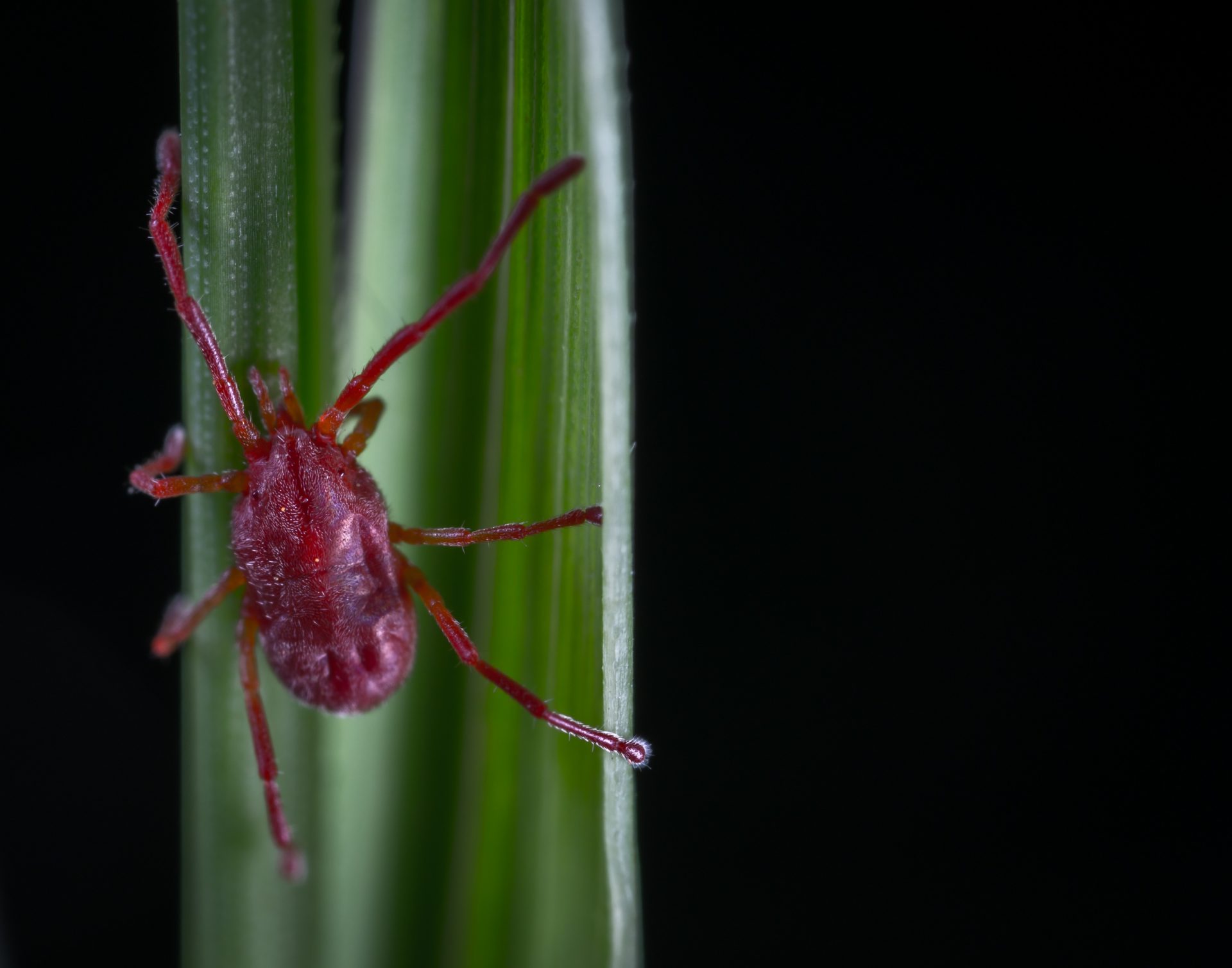
- Size: Extremely minute, less than 1mm in length (barely visible to the naked eye)
- Colour: Varies by species—may appear red, brown, yellow, or green
- Location: Primarily found on the underside of leaves
- Eggs: Small, spherical, initially transparent eggs laid on leaf undersides
- Mouthparts: Needle-like piercing-sucking mouthparts used to extract plant sap
Behavioural Signs
- Rapid reproduction: Populations can explode within days under favourable conditions
- Preference for stressed plants: Particularly attracted to water-stressed plants in hot, dry environments
- Indoor and outdoor: Infest nearly all houseplants and garden plants, especially in air-conditioned rooms or during dry weather
Damage Symptoms: What Spider Mites Do to Plants
Spider mite feeding causes distinctive damage patterns that worsen rapidly if left untreated:
Leaf Damage
- Stippling: Upper leaf surfaces develop yellow or white speckles and blotches where mites have sucked out cell contents
- Bronzing: Leaves take on a bronze or silvery appearance as damage progresses
- Dead spots: Brown, necrotic patches appear on severely damaged leaves
- Premature leaf drop: Heavily infested leaves turn yellow and fall off prematurely
Webbing
- Fine silk webbing: In severe infestations, you’ll notice delicate white webbing between leaves, stems, and branches
- Protection: This webbing protects mites from predators and pesticide sprays
Overall Plant Health
- Stunted growth and reduced vigour
- Reduced flowering and fruiting
- Increased susceptibility to diseases
- Plant death in severe, untreated cases
Why Spider Mites Love Malaysian Gardens
Malaysia’s tropical climate creates ideal conditions for spider mite outbreaks:
- Hot temperatures: Spider mites reproduce fastest at 27-32°C—common in Malaysian gardens
- Dry conditions: Low humidity during dry seasons or in air-conditioned spaces favours mite populations
- Water stress: Irregular watering during hot weather weakens plants, making them vulnerable
- Year-round growing: Continuous plant growth provides constant food sources
Natural Enemies: Beneficial Insects That Control Spider Mites
Encouraging natural predators in your garden provides long-term spider mite control:
- Predatory mites: Specialized mite species that feed exclusively on spider mites
- Ladybirds (Ladybugs): Both adults and larvae consume large numbers of spider mites
- Lacewings: Lacewing larvae are voracious predators of spider mites and their eggs
- Predatory bugs: Various beneficial bugs help keep mite populations in check
Avoid using harsh chemical pesticides that kill these beneficial insects along with the pests.
Effective Spider Mite Control Methods for Malaysian Gardens
Step 1: Early Detection and Isolation
Regularly inspect your plants, especially during hot, dry weather. Check leaf undersides weekly. Immediately isolate any infested plants to prevent spread.
Step 2: Physical Removal
For light infestations, wipe the underside of leaves with a damp cloth or cotton bud to physically remove mites, eggs, and webbing. This reduces the population before treatment.
Step 3: Organic Neem Treatment
Apply Extra Strength Neem Spray thoroughly to all plant surfaces, paying special attention to leaf undersides where mites congregate. Neem oil disrupts mite feeding, reproduction, and development.
For severe infestations or sensitive plants, you may also use Natural Neem Spray as a gentler alternative.
Step 4: Proper Watering
Spider mites attack water-stressed plants, so maintain consistent watering schedules. Water deeply but avoid overwatering, which can cause root rot. Proper hydration strengthens plant defences against mite attacks.
Step 5: Increase Humidity
Mist plants regularly or group them together to increase local humidity. This creates less favourable conditions for spider mites while benefiting most tropical plants.
Step 6: Repeat Treatment
Reapply neem spray every 7-10 days for 3-4 weeks to break the mite life cycle and eliminate newly hatched individuals.
Prevention: Keeping Spider Mites Away
- Regular watering: Maintain consistent soil moisture without overwatering
- Increase humidity: Mist plants or use humidity trays, especially for indoor plants
- Inspect new plants: Quarantine new additions for 2 weeks before introducing them to your garden
- Promote air circulation: Proper spacing and pruning improve airflow
- Avoid over-fertilizing: Excessive nitrogen produces tender growth that attracts mites
- Encourage beneficial insects: Plant flowers that attract predatory insects
- Regular monitoring: Weekly inspections catch problems early
Recommended Products for Spider Mite Control
Extra Strength Neem Spray – Powerful organic solution for severe spider mite infestations. Safe for use on ornamentals and edible crops (observe 7-day harvest interval).
Natural Neem Spray – Gentle neem-based treatment suitable for sensitive plants and light to moderate infestations.
Learn more about neem spray applications:
Frequently Asked Questions About Spider Mites
How do I know if my plant has spider mites?
Look for these telltale signs: yellow speckles or blotches on the upper leaf surface, tiny moving dots (less than 1mm) on leaf undersides, fine white webbing between leaves and stems, and premature leaf drop. Spider mites are extremely small and vary in colour, so you may need a magnifying glass to see them clearly.
Why are spider mites so common in Malaysian gardens?
Spider mites thrive in Malaysia’s hot and dry conditions, particularly during the dry season or in air-conditioned indoor environments. They reproduce extremely rapidly in temperatures between 24-35°C and prefer low humidity conditions. Water-stressed plants are especially vulnerable to spider mite attacks.
What is the best treatment for spider mites in Malaysia?
The most effective organic treatment is Extra Strength Neem Spray applied to both upper and lower leaf surfaces. First, wipe off visible mites with a damp cloth, then spray thoroughly. Maintain regular watering schedules to prevent plant stress, which attracts spider mites. Repeat treatment every 7-10 days if infestation persists.
Can spider mites kill my plants?
Yes, severe spider mite infestations can seriously damage or kill plants. They feed by piercing plant tissue and sucking sap, which causes yellowing, leaf drop, stunted growth, and eventual plant death if left untreated. Early detection and treatment are crucial for plant survival.
Are there natural predators that control spider mites?
Yes, several beneficial insects naturally control spider mite populations including predatory mites, ladybirds (ladybugs), lacewings, and predatory bugs. Encouraging these natural enemies in your garden by avoiding harsh chemical pesticides can help maintain a balanced ecosystem and prevent spider mite outbreaks.
Protect Your Malaysian Garden from Spider Mites
Spider mites may be tiny, but their impact on your garden can be devastating. By learning to identify early warning signs, maintaining proper plant care, and using effective organic treatments like neem spray, you can protect your tropical plants from these destructive pests.
Remember: prevention through regular watering and monitoring is always easier than treating a full-blown infestation. Keep your Malaysian garden healthy and spider mite-free with proper care and timely intervention.
Need help controlling spider mites? Visit Serbajadi’s online store for organic pest control solutions specially formulated for Malaysia’s tropical climate.