How to Grow Rosemary in Malaysia’s Tropical Climate
Rosemary (Salvia rosmarinus, formerly Rosmarinus officinalis) is a beloved Mediterranean herb prized for its aromatic needle-like leaves and culinary versatility. While this woody perennial thrives in cooler, drier climates, Malaysian gardeners can successfully grow rosemary with proper care and climate adaptation. This comprehensive guide covers everything you need to know about growing rosemary in Malaysia’s tropical conditions.
Understanding Rosemary
Plant Classification
Type: Aromatic culinary herb and ornamental plant
Growth Habit: Woody perennial shrub with upright or trailing forms
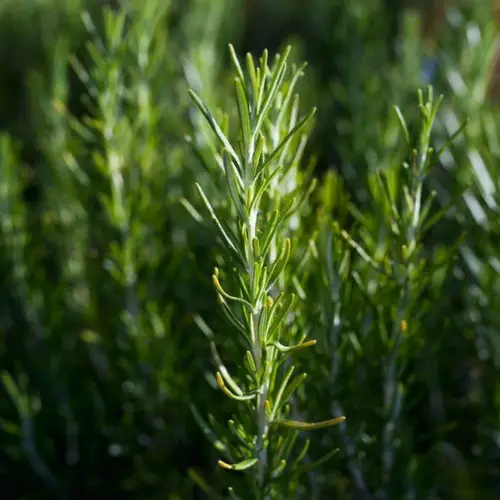
Characteristics: Narrow, needle-like leaves that are bright green on top with rolled-in margins and silvery-white undersides due to dense hairs. Produces small pale blue, purple, pink, or white flowers when conditions are favorable.
Pet Safety
Rosemary is non-toxic to cats and dogs according to ASPCA, making it a safe choice for households with pets.
Popular Varieties for Malaysian Gardens
- Salvia rosmarinus (Common Rosemary) – Standard upright variety, most adaptable
- ‘Tuscan Blue’ – Upright growth with intense blue flowers, good for containers
- ‘Arp’ – More heat-tolerant variety, suitable for tropical conditions
- ‘Barbecue’ – Sturdy stems perfect for culinary use as skewers
- ‘Prostratus’ (Trailing Rosemary) – Cascading habit, excellent for hanging baskets
- ‘Majorca Pink’ – Pink flowers, compact growth
- ‘Roman Beauty’ – Upright with excellent flavor
- ‘Gorizia’ – Broad leaves, strong flavor
- ‘Aureus’ – Golden-tinged foliage
Growing Rosemary in Malaysia’s Tropical Climate
Climate Challenges
Rosemary originates from the Mediterranean region with cool, dry winters and warm summers. Malaysia’s year-round heat (24-32°C), high humidity (70-90%), and heavy monsoon rains present challenges. However, with proper placement and care, rosemary can thrive as a container plant or in well-drained garden beds.
Light Requirements
Full Sun: Rosemary requires 6-8 hours of direct sunlight daily for optimal growth and essential oil production. In Malaysia’s intense tropical sun, morning sun with light afternoon shade can prevent heat stress while maintaining adequate light levels. Insufficient light leads to leggy growth and reduced aromatic oils.
Soil and Potting Mix
Excellent drainage is critical for rosemary success in Malaysia’s high-rainfall climate. Use:
- Serbajadi Potting Soil (5L) – Well-balanced mix suitable for herbs
- Serbajadi Multipurpose Potting Mixture (2L) – Versatile option for container growing
Tip: Add perlite or coarse sand (20-30% by volume) to improve drainage further. Rosemary prefers slightly alkaline soil (pH 6.0-7.5), so adding a small amount of garden lime can be beneficial in acidic Malaysian soils.
Watering Guidelines
Proper watering is the most critical factor for rosemary success in tropical conditions:
Newly Planted Rosemary: Water frequently for the first 1-2 weeks to establish roots. Keep soil consistently moist but never waterlogged.
Established Plants: Rosemary is drought-tolerant once established. Allow the top 2-3 cm of soil to dry between waterings. In Malaysia’s humid climate, overwatering is more common than underwatering.
Monsoon Season: Reduce watering frequency significantly during rainy periods. Consider moving container plants under shelter to prevent waterlogging. Ensure drainage holes are never blocked.
Fertilizing
Rosemary is a light feeder and excessive fertilization reduces aromatic oil concentration:
- Apply Serbajadi Plant Food Organic Plus 23 Growing Fertilisers (750gm) every 4-6 weeks during active growth
- Use half the recommended strength to avoid over-fertilizing
- Reduce or stop fertilizing during monsoon season when growth naturally slows
Container Growing (Recommended for Malaysia)
Container cultivation offers several advantages in tropical climates:
- Better moisture control during heavy rains
- Ability to move plants to optimal light conditions
- Improved drainage and air circulation
- Protection from soil-borne diseases
Container Selection: Choose pots at least 20-30 cm deep with multiple drainage holes. Terracotta pots are ideal as they allow soil to breathe and dry faster than plastic.
Repotting
Repot rosemary only when root-bound, typically every 2-3 years. Use fresh Serbajadi Potting Soil or Multipurpose Potting Mixture. Avoid oversized pots as they retain too much moisture.
Common Problems and Solutions
Overwatering Issues
Symptoms: Small, whitish, slightly raised spots on leaves that turn reddish-orange or brown on the underside; yellowing lower leaves; soft, mushy stems.
Solution: Reduce watering frequency immediately. Allow soil to dry out between waterings. Check drainage holes are clear. Consider repotting in fresh, well-draining soil if root rot is suspected.
Over-Fertilizing
Symptoms: Leaf tips starting to yellow and eventually leaves curl and die; excessive soft growth; reduced aromatic scent.
Solution: Flush soil with water to remove excess salts. Reduce fertilizer application to once every 6-8 weeks at half strength. Rosemary grown for culinary use actually benefits from slightly nutrient-poor conditions which concentrate essential oils.
Poor Growth or Leggy Plants
Cause: Insufficient light or excessive humidity without air circulation.
Solution: Move to a sunnier location. Prune regularly to encourage bushier growth and improve air circulation. Ensure at least 6 hours of direct sunlight daily.
Pest Management
Whiteflies
Identification: Tiny white flying insects on leaf undersides; sticky honeydew on leaves.
Treatment: Spray with Serbajadi Neem Spray Extra Strength. Apply in early morning or late evening. Repeat every 7 days until infestation clears.
Important: Observe a 7-day withholding period between final application and harvest for culinary use. Wash all harvested rosemary thoroughly before use.
Spider Mites
Identification: Fine webbing on stems and leaves; tiny dots on leaf undersides; stippled, yellowing leaves.
Treatment: Wipe affected areas with a damp cloth or cotton bud to remove mites and webs. Spray with Serbajadi Neem Spray Extra Strength.
Prevention: Spider mites attack water-stressed plants. Maintain consistent watering (without overwatering) and ensure good air circulation. Mist plants occasionally during very dry periods, but avoid wetting foliage in humid conditions.
Harvesting and Using Rosemary
When to Harvest
Begin harvesting once plants are established (3-4 months after planting). Harvest in the morning after dew dries but before intense midday heat for maximum essential oil content.
How to Harvest
Cut stems 10-15 cm long, never removing more than one-third of the plant at once. Regular harvesting encourages bushier growth. Use sharp, clean scissors or pruning shears.
Culinary Uses
Fresh or dried rosemary enhances roasted meats, vegetables, breads, and Mediterranean dishes. In Malaysian cuisine, it pairs well with grilled chicken, lamb, and roasted potatoes.
Propagation
Stem Cuttings (Most Successful Method)
- Take 10-15 cm cuttings from healthy, semi-hardwood stems
- Remove lower leaves, keeping only top 5 cm of foliage
- Dip cut end in rooting hormone powder (optional but recommended)
- Plant in well-draining propagation mix or perlite
- Keep in bright, indirect light with high humidity
- Roots develop in 3-4 weeks
Frequently Asked Questions
Can rosemary grow well in Malaysia’s tropical climate?
Yes, rosemary can grow in Malaysia with proper care. While it’s a Mediterranean herb that prefers cooler climates, it adapts to tropical conditions when given full sun, excellent drainage, and protection from excessive monsoon rain. Container growing works best as it allows better moisture control.
How often should I water rosemary in Malaysia?
Water newly planted rosemary frequently for the first 1-2 weeks. Once established, rosemary is drought-tolerant and prefers soil to dry out between waterings. In Malaysia’s humid climate, overwatering is the most common problem. Reduce watering during monsoon season and ensure excellent drainage to prevent root rot.
Is rosemary safe for pets?
Yes, rosemary is considered non-toxic to cats and dogs according to ASPCA. However, large quantities may cause mild stomach upset, so it’s best to keep plants out of reach of curious pets.
What are the common pests affecting rosemary in Malaysia?
The most common pests are whiteflies and spider mites, especially during hot, dry periods. Spider mites particularly attack water-stressed plants. Treat infestations by wiping leaves with a damp cloth and spraying with Serbajadi Neem Spray Extra Strength. Maintain consistent watering to prevent pest attacks.
Why are my rosemary leaves turning yellow?
Yellow leaves on rosemary typically indicate over-fertilizing or overwatering. If leaf tips yellow first and leaves curl and die, reduce fertilizer application. If small whitish spots appear that turn reddish-brown on leaf undersides, you’re overwatering. Allow soil to dry between waterings and fertilize sparingly every 4-6 weeks.
Final Tips for Success
- Air Circulation: Ensure good airflow around plants to prevent fungal issues in humid conditions
- Pruning: Regular light pruning encourages bushy growth and prevents woody, bare stems
- Mulching: Avoid mulching directly against stems; rosemary prefers drier conditions around the base
- Companion Planting: Grows well with other Mediterranean herbs like thyme, oregano, and sage in similar conditions
- Patience: Rosemary is slow-growing initially but becomes more vigorous once established
With attention to drainage, light, and careful watering, Malaysian gardeners can successfully grow this aromatic Mediterranean herb year-round. Whether for culinary use, ornamental beauty, or aromatic pleasure, rosemary makes a rewarding addition to tropical herb gardens.