How to Grow Fan Palms in Malaysia: Complete Care Guide
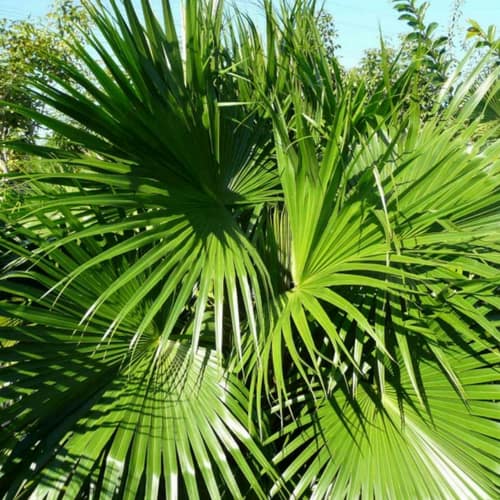
Fan palms are among the most elegant and low-maintenance houseplants for Malaysian homes, perfectly adapted to our tropical climate with temperatures ranging from 24-32°C and humidity levels of 70-90%. These stunning foliage plants, recognized by NASA for their air-purifying qualities, feature distinctive fronds split into numerous segments that radiate from a central point, creating a beautiful fan-like appearance.
Whether you’re growing the compact Rhapis excelsa (Broadleaf lady palm) in your apartment or the stately Livistona chinensis (Chinese fan palm) in your garden, this comprehensive guide will help you achieve lush, healthy growth year-round in Malaysia’s tropical environment.
Popular Fan Palm Varieties for Malaysian Gardens
Each fan palm variety offers unique characteristics suited to different growing conditions in Malaysia:
- Chamaerops humilis (European fan palm) – Compact and drought-tolerant, ideal for sunny balconies
- Livistona chinensis (Chinese fan palm) – Also known as Latania borbonica, this robust palm thrives in both indoor and outdoor settings
- Rhapis excelsa (Broadleaf lady palm) – Perfect for low-light indoor spaces, highly effective at air purification
- Trachycarpus fortunei (Windmill palm) – Previously classified as Chamaerops excelsa, tolerates cooler highland conditions
- Washingtonia filifera (Desert fan palm) – Heat-tolerant variety suitable for full sun exposure in Malaysian gardens
Essential Care Requirements for Tropical Climate
Temperature and Light
Fan palms thrive in Malaysia’s warm temperatures between 24-32°C, making them naturally suited to our climate. Position your palm in bright, indirect light or partial shade. While they tolerate lower light conditions (especially Rhapis excelsa), avoid placing them in direct afternoon sun, which can scorch the delicate fronds.
For indoor cultivation, east or north-facing windows provide ideal lighting. If growing outdoors, position under the dappled shade of larger trees or on covered patios where they receive morning sun but are protected during the hottest part of the day.
Watering in Tropical Conditions
Proper watering is crucial for fan palm success in Malaysia’s variable climate:
- Hot, dry periods: Water liberally 2-3 times weekly, keeping soil consistently moist but never waterlogged
- Monsoon season: Reduce watering frequency as natural humidity increases and rainfall supplements moisture
- Drainage is critical: Ensure pots have adequate drainage holes to prevent root rot, especially during heavy rains
- Water quality: Use room-temperature water; if using tap water, let it sit overnight to allow chlorine to dissipate
Humidity Management
While Malaysia’s outdoor humidity (70-90%) is perfect for fan palms, air-conditioned indoor environments can be problematic. Maintain adequate humidity by:
- Misting fronds 2-3 times weekly with room-temperature water
- Placing pots on humidity trays filled with pebbles and water
- Grouping multiple plants together to create a humid microclimate
- Avoiding placement directly under air-conditioning vents
Fertilizing for Lush Growth
Feed your fan palms every 4-6 weeks during the active growing season with Serbajadi Plant Food Organic Plus 23 Growing Fertilisers (750gm). This balanced organic formula provides essential nutrients for:
- Deep green, healthy frond development
- Strong root system establishment
- Enhanced resistance to pests and diseases
- Optimal growth in tropical conditions
During monsoon season when growth naturally slows, reduce fertilizing frequency to once every 8 weeks to prevent nutrient buildup in constantly moist soil.
Repotting and Soil Requirements
Fan palms prefer to be slightly root-bound, so repot only when necessary—typically every 2-3 years or when roots emerge from drainage holes. The best time for repotting in Malaysia is during the drier months (February-April or June-August) when plants recover more quickly.
Use high-quality growing media that retains moisture while providing excellent drainage:
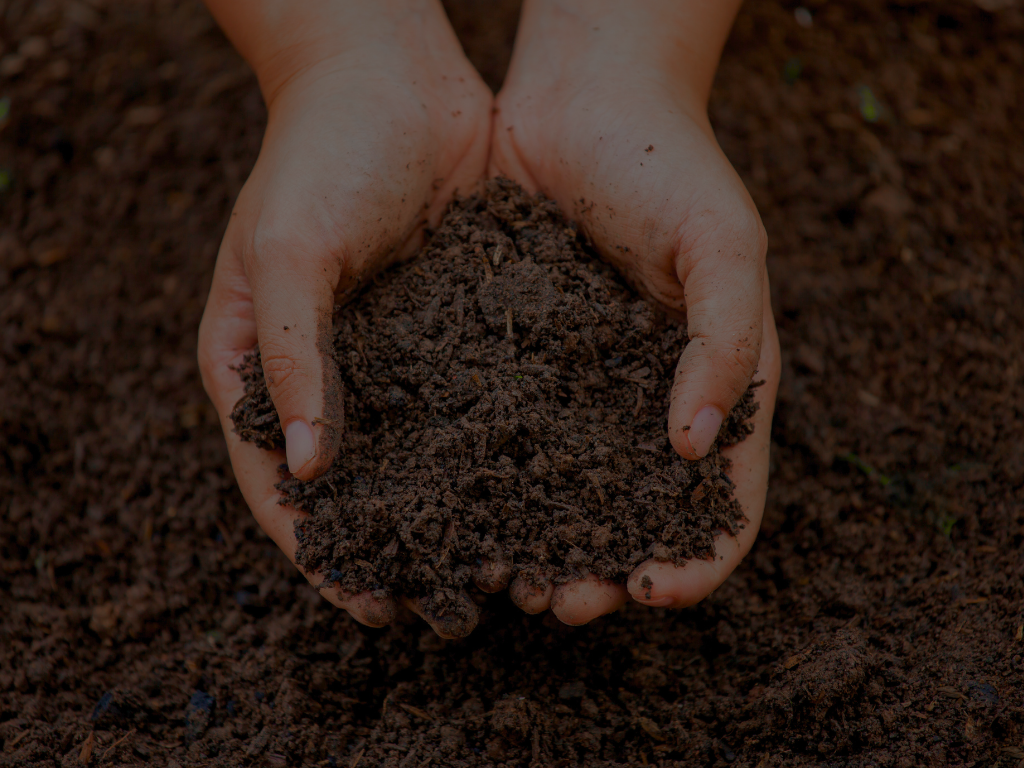
- Serbajadi Multi-Purpose Compost – Ideal for general repotting with balanced moisture retention
- Serbajadi Organic Peat Moss – Excellent for improving soil structure and water-holding capacity
When repotting, choose a container only 5-7cm larger than the current pot to prevent overwatering issues in our humid climate.
Common Problems and Solutions
Leaf Issues
Brown tips on fronds: This common problem in Malaysian homes typically indicates low humidity (especially in air-conditioned rooms), underwatering, or physical damage from touching. Increase humidity through misting, ensure consistent watering, and position plants away from high-traffic areas.
Brown spots on leaves: Usually caused by leaf spot disease (fungal infection common during humid monsoon periods), overwatering, or sudden temperature changes from air-conditioning. Improve air circulation, reduce watering frequency, and remove affected fronds. For severe fungal issues, ensure water doesn’t sit on fronds overnight.
Yellowing leaves: Typically indicates underwatering or nutrient deficiency. Check soil moisture regularly and maintain a consistent watering schedule. Apply Serbajadi Plant Food Organic Plus 23 if yellowing persists after adjusting watering.
Brown leaves (lower fronds): Natural aging process—simply trim off dead fronds at the base with clean, sharp pruning shears.
Brown leaves with rotting stems: Serious sign of overwatering and root rot. Reduce watering immediately, improve drainage, and consider repotting in fresh, well-draining media if the problem persists.
Pest Management
While fan palms are relatively pest-resistant, Malaysia’s humid climate can encourage infestations:
Scale insects: These small, brown, shell-like pests attach to fronds and stems. Wipe them off with a damp cloth or cotton bud dipped in soapy water, then spray thoroughly with Serbajadi Extra Strength Neem Spray. Repeat treatment every 7-10 days until eliminated.
Mealybugs: White, cottony pests that cluster in frond joints. Remove manually with a damp cloth or cotton bud, then apply Serbajadi Extra Strength Neem Spray. Check plants weekly during humid periods when mealybugs are most active.
Aphids: Small, soft-bodied insects that cluster on new growth. First, spray the plant with high-pressure water to dislodge them, then follow up with Serbajadi Extra Strength Neem Spray. Maintain good air circulation to prevent reinfestation.
Prevention tip: Regularly inspect your palms, especially the undersides of fronds and new growth. Good air circulation and avoiding overcrowding plants significantly reduces pest problems in Malaysia’s humid environment.
Air Purification Benefits
Fan palms, particularly Rhapis excelsa (Broadleaf lady palm), are recognized in NASA’s Clean Air Study for their ability to remove indoor air pollutants. They effectively filter:
- Formaldehyde (from furniture and building materials)
- Xylene (from paints and solvents)
- Ammonia (from cleaning products)
- Carbon dioxide (improving indoor air quality)
This makes them excellent choices for Malaysian homes and offices where windows are often kept closed for air-conditioning, limiting natural ventilation.
Pet Safety Considerations
Most common fan palm varieties, including Rhapis excelsa (Broadleaf lady palm) and Livistona chinensis (Chinese fan palm), are generally considered non-toxic to cats and dogs. However, ingestion of plant material may still cause mild gastrointestinal upset such as vomiting or diarrhea.
While not poisonous, it’s best to:
- Position palms out of reach of curious pets
- Monitor pets around plants, especially during initial introduction
- Consult your veterinarian if your pet shows unusual behavior after plant contact
- Provide appropriate pet-safe grass or catnip as alternatives to discourage plant chewing
Frequently Asked Questions
Are fan palms safe for pets?
Most common fan palm varieties including Rhapis excelsa (Broadleaf lady palm) and Livistona chinensis (Chinese fan palm) are generally considered non-toxic to cats and dogs. However, ingestion may still cause mild stomach upset. Always monitor pets around plants and consult your veterinarian if you notice unusual behavior.
Why do my fan palm leaves have brown tips?
Brown tips on fan palm leaves typically result from low humidity (especially in air-conditioned rooms), underwatering, or physical damage from touching. In Malaysia’s climate, increase humidity by misting regularly, ensure consistent watering, and avoid placing palms in high-traffic areas where fronds get brushed against.
How often should I water fan palms in Malaysia?
During hot, dry periods (24-32°C), water fan palms 2-3 times weekly, keeping soil consistently moist but not soggy. During monsoon season with high humidity, reduce to once weekly. Always check the top 2-3cm of soil—water when it feels dry to touch. Ensure pots have excellent drainage to prevent root rot.
Can fan palms purify indoor air?
Yes, several fan palm varieties including Rhapis excelsa (Broadleaf lady palm) are listed in NASA’s air-filtering plants study. They effectively remove indoor air pollutants like formaldehyde, xylene, and ammonia, making them excellent choices for Malaysian homes and offices with limited ventilation.
How do I treat pests on fan palms?
For scales and mealybugs, wipe affected areas with a damp cloth or cotton bud, then spray with Serbajadi Extra Strength Neem Spray. For aphids, rinse the plant with high-pressure water first, then apply neem spray. Repeat treatment every 7-10 days until pests are eliminated. Maintain good air circulation to prevent future infestations.
Conclusion
Fan palms are exceptional houseplants for Malaysian homes, combining elegant beauty with practical air-purifying benefits. By understanding their specific needs in our tropical climate—consistent moisture, high humidity, partial shade, and regular feeding—you can enjoy these stunning palms for many years.
Remember that successful palm cultivation in Malaysia’s 24-32°C temperatures and 70-90% humidity requires attention to watering schedules that adapt to our monsoon patterns, adequate drainage to prevent root rot, and proper pest management during humid periods.
With quality products like Serbajadi Plant Food Organic Plus 23 and Serbajadi Multi-Purpose Compost, you have everything needed to grow thriving fan palms that enhance your indoor environment while improving air quality naturally.