How to Grow Dieffenbachia in Malaysia: Complete Care Guide
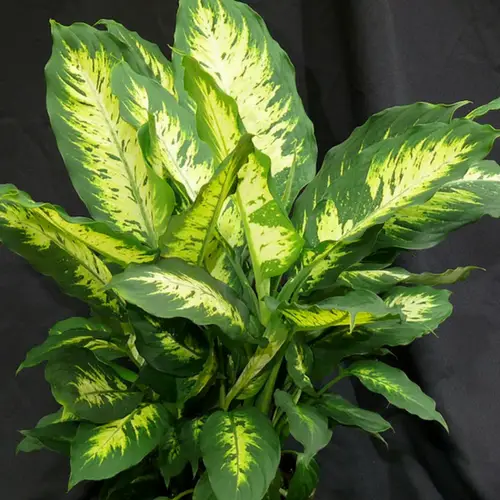
Dieffenbachia, commonly known as dumb cane or leopard lily, is one of Malaysia’s most popular indoor foliage plants, prized for its large, decorative leaves with striking variegated patterns. Thriving in our tropical climate with temperatures between 24-32°C and high humidity levels, Dieffenbachia makes an excellent choice for Malaysian homes and offices. This comprehensive guide will help you master Dieffenbachia care, from selecting the right variety to troubleshooting common problems in our unique growing conditions.
Understanding Dieffenbachia: The Tropical Foliage Favourite
Plant Classification: Foliage Houseplant
House Plant Group: False Palm
Character: Large, decorative leaves with variegated patterns
Safe for Pets: No – Toxic to cats, dogs, and humans
Popular Dieffenbachia Varieties for Malaysian Gardens
Several Dieffenbachia varieties thrive exceptionally well in Malaysia’s tropical environment:
- Dieffenbachia amoena (Dumb Cane – Leopard Lily): Features large, dark green leaves with creamy white variegation along the veins
- Dieffenbachia amoena ‘Tropic Snow’: Displays prominent white and green variegation with a compact growth habit
- Dieffenbachia bausei: Showcases yellowish-green leaves with dark green spots and white flecks
- Dieffenbachia oerstedii: Offers solid green leaves with a central white vein, perfect for lower light conditions
- Dieffenbachia picta ‘Camilla’: Nearly all-white leaves with green edges, creating a stunning focal point
- Dieffenbachia picta ‘Exotica’: Features cream and green mottled leaves with excellent heat tolerance
- Dieffenbachia picta ‘Marianne’: Displays bright chartreuse leaves with dark green edges
- Dieffenbachia picta ‘Rudolph Roehrs’: Shows golden-yellow leaves with green margins and white spots
Essential Dieffenbachia Care Requirements
Light Requirements
Dieffenbachia thrives in partial shade to bright, indirect light. In Malaysia’s intense tropical sun, avoid placing your plant in direct sunlight, which can scorch leaves and cause the beautiful variegation to fade. North or east-facing windows provide ideal lighting conditions. If leaves lose their vibrant patterns and turn mostly green, your plant is receiving too much light.
Temperature Needs
Dieffenbachia prefers average to above-average warmth, making it perfectly suited to Malaysia’s year-round tropical climate of 24-32°C. The plant struggles in temperatures below 18°C, so avoid placing it directly under air-conditioning vents or in overly chilled rooms. Consistent warmth promotes healthy growth and vibrant foliage.
Watering Guidelines
Water regularly to maintain consistently moist (but not soggy) soil. In Malaysia’s humid climate with 80%+ humidity levels, allow the top 2-3cm of soil to dry slightly between waterings. During the monsoon season when humidity peaks, reduce watering frequency to prevent waterlogging. Overwatering combined with low temperatures is the primary cause of root rot in Dieffenbachia.
Humidity Requirements
Dieffenbachia loves high humidity, which Malaysia naturally provides. However, air-conditioned indoor environments can reduce humidity levels. If you notice brown leaf edges, increase humidity by misting leaves regularly, placing the pot on a pebble tray filled with water, or grouping plants together to create a microclimate.
Soil and Repotting
Repot annually in spring using a well-draining, nutrient-rich potting mix. We recommend either:
- Serbajadi Organic Peat Moss – Excellent moisture retention with good drainage
- Serbajadi Multi-Purpose Compost – Nutrient-rich formula perfect for foliage plants
Choose a pot only 2-3cm larger than the previous one, as Dieffenbachia prefers being slightly root-bound. Ensure pots have drainage holes to prevent water accumulation.
Fertilizing Schedule
Feed your Dieffenbachia every 2-4 weeks during the growing season with Serbajadi Plant Food Organic Plus 23 Growing Fertilisers (750gm). This balanced formula promotes lush, vibrant foliage growth. During Malaysia’s cooler, wetter months (November-January), reduce feeding to once monthly as plant growth naturally slows.
Troubleshooting Common Dieffenbachia Problems
Stem Base Soft and Discoloured
Cause: Overwatering combined with low temperatures
Solution: Reduce watering frequency immediately. Check that your pot has adequate drainage holes. If rot is extensive, take healthy stem cuttings to propagate a new plant. Ensure room temperature stays above 20°C.
Lower Leaves Yellow and Wilted
Cause: Temperature too low (below 18°C)
Solution: Move your plant to a warmer location away from air-conditioning vents. In Malaysia’s climate, this issue typically only occurs in heavily air-conditioned offices or rooms.
Loss of Leaf Colour and Variegation
Cause: Direct sunlight or excessive brightness
Solution: Relocate your Dieffenbachia to a spot with bright, indirect light or partial shade. Filter harsh afternoon sun with sheer curtains.
Excessive Leaf Drop
Cause: Low temperature or insufficient humidity
Solution: Maintain temperatures between 24-32°C and increase humidity through misting or pebble trays. In air-conditioned spaces, consider using a small humidifier nearby.
Brown Leaf Edges
Cause: Underwatering or low humidity
Solution: Increase watering frequency, ensuring soil remains consistently moist. Mist leaves regularly or place on a humidity tray, especially in air-conditioned environments.
Pest Management for Dieffenbachia
Mealybugs
Mealybugs appear as white, cottony masses on leaf undersides and stem joints. These sap-sucking pests can weaken your Dieffenbachia and cause yellowing leaves.
Treatment:
- Wipe off visible mealybugs with a damp cloth or cotton bud dipped in rubbing alcohol
- Spray the entire plant thoroughly with GarNeem Spray, an organic neem-based solution
- Repeat treatment weekly for 3-4 weeks to eliminate all life stages
- Isolate affected plants to prevent spread to other houseplants
Propagating Dieffenbachia
Dieffenbachia propagates easily through stem cuttings, making it simple to expand your collection or share with friends:
- Using clean, sharp pruning shears, cut a 10-15cm stem section with at least 2-3 nodes
- Remove lower leaves, keeping only 2-3 leaves at the top
- Allow the cut end to dry for a few hours to prevent rot
- Plant the cutting in moist Serbajadi Organic Peat Moss
- Keep in warm (25-30°C), humid conditions with bright, indirect light
- Roots should develop within 3-4 weeks in Malaysia’s warm climate
Seasonal Care Tips for Malaysian Climate
Dry Season (February-April): Increase watering frequency and misting as humidity drops. Monitor for spider mites, which thrive in drier conditions.
Monsoon Season (November-January): Reduce watering as natural humidity increases. Ensure excellent drainage to prevent root rot during heavy rainfall periods.
Year-Round: Malaysia’s consistent temperatures mean Dieffenbachia grows actively throughout the year. Maintain regular fertilizing and monitor for pests monthly.
Frequently Asked Questions
Is Dieffenbachia safe for pets?
No, Dieffenbachia is toxic to pets and humans. The plant contains calcium oxalate crystals that can cause severe mouth irritation, excessive drooling, and difficulty swallowing if ingested. Keep Dieffenbachia out of reach of children and pets at all times.
Why are my Dieffenbachia leaves turning yellow?
Yellow leaves on Dieffenbachia typically indicate low temperatures (below 18°C) or overwatering. In Malaysia’s climate, ensure your plant stays in temperatures between 24-32°C and allow the top layer of soil to dry slightly between waterings to prevent root rot.
How often should I water Dieffenbachia in Malaysia?
In Malaysia’s humid tropical climate, water your Dieffenbachia when the top 2-3cm of soil feels dry to the touch. This typically means watering 2-3 times per week, but frequency depends on your indoor conditions, pot size, and season. During heavy monsoon periods with high humidity, reduce watering frequency.
What causes brown edges on Dieffenbachia leaves?
Brown leaf edges on Dieffenbachia are usually caused by underwatering or low humidity. While Malaysia’s natural humidity is high (80%+), air-conditioned rooms can dry out the air. Increase watering frequency and consider misting leaves or using a humidity tray.
How do I treat mealybugs on Dieffenbachia?
To treat mealybugs on Dieffenbachia, first wipe off visible bugs with a damp cloth or cotton bud dipped in rubbing alcohol. Then spray the entire plant with GarNeem Spray, which is an organic solution effective against mealybugs and other soft-bodied pests. Repeat treatment weekly until infestation is cleared.
Conclusion
Dieffenbachia is an outstanding choice for Malaysian indoor gardeners, offering stunning variegated foliage that thrives in our tropical climate. By providing partial shade, consistent warmth, regular watering, and proper nutrition with Serbajadi Plant Food Organic Plus 23, your dumb cane will reward you with lush, decorative leaves year-round. Remember to keep this beautiful but toxic plant safely away from children and pets, and address any pest or care issues promptly for best results.
Ready to start your Dieffenbachia journey? Visit Serbajadi’s online shop for all your plant care essentials, from premium potting mixes to organic fertilizers specifically formulated for Malaysia’s tropical growing conditions.