How to Grow Coleus in Malaysia: Complete Care Guide
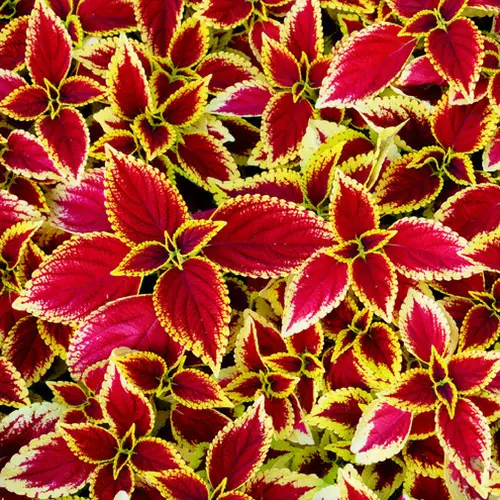
Coleus (now botanically known as Plectranthus scutellarioides or Solenostemon scutellarioides) is one of Malaysia’s most rewarding foliage plants, offering an explosion of colors from deep burgundy and vibrant pink to lime green and sunset orange. These easy-care tropical beauties thrive in our warm, humid climate (24-32°C) and bring year-round color to shaded gardens, balconies, and indoor spaces where flowering plants struggle.
Whether you’re a beginner looking for a forgiving first plant or an experienced gardener seeking bold foliage accents, coleus delivers stunning results with minimal fuss. This comprehensive guide covers everything you need to know about growing coleus successfully in Malaysia’s tropical conditions.
Understanding Coleus: Plant Profile
Classification: Tropical foliage houseplant
Growth Habit: Bushy, compact to upright
Key Features: Vivid multi-colored foliage, easy care, fast-growing
Pet Safety: Toxic to cats and dogs—keep out of reach of pets
Popular Coleus Varieties in Malaysia
- Flame Nettle (Plectranthus scutellarioides) – Classic variety with flame-like color patterns
- Candidum – Features white and green variegation
- Firebird – Intense red and burgundy foliage
- Klondyke – Golden-yellow leaves with contrasting edges
- Scarlet Rainbow – Vibrant red with multicolored accents
- Trailing Queen (Plectranthus pumilus) – Cascading variety perfect for hanging baskets
- Verschaffeltii – Deep burgundy with bright pink centers
Essential Coleus Care Requirements
Light Requirements
Coleus needs bright, indirect light to maintain its vibrant colors. In Malaysia’s intense tropical sun, avoid placing coleus in direct midday sunlight (11am-3pm), which can scorch leaves and fade colors. Instead, provide:
- Morning sun (6am-10am) followed by afternoon shade
- Filtered light through sheer curtains or shade cloth (50-70% shade)
- Bright spots under tree canopies or covered patios
- East or west-facing windows for indoor plants
Light Troubleshooting: If leaves lose their vibrant colors and turn mostly green, your plant needs more light. If leaf edges brown or colors bleach out, reduce direct sun exposure.
Temperature & Humidity
Coleus thrives in Malaysia’s natural climate conditions:
- Temperature: 24-32°C (ideal tropical range)
- Humidity: 60-80% (naturally provided by our climate)
- Protect from air-conditioning vents which can cause leaf drop
- Avoid cold drafts or temperatures below 15°C
Watering Guidelines
Consistent moisture is crucial for coleus success. In Malaysia’s warm climate:
- Frequency: Water when the top 2cm of soil feels dry (typically daily or every other day)
- Method: Water thoroughly until excess drains from pot holes
- Monsoon Season: Reduce watering frequency during heavy rains to prevent waterlogging
- Warning Signs: Wilting indicates underwatering; yellowing leaves with wet soil suggests overwatering
Pro Tip: Coleus is somewhat drought-tolerant and will wilt dramatically when thirsty but usually recovers quickly after watering. However, repeated wilting stresses the plant and reduces vigor.
Soil & Potting Mix
Use well-draining, nutrient-rich potting media that retains moisture without becoming waterlogged:
- Recommended: Serbajadi Multi-Purpose Compost – provides excellent drainage and moisture retention
- Alternative: Mix Serbajadi Potting Soil with Serbajadi Organic Peat Moss (70:30 ratio)
- Drainage: Always use pots with drainage holes to prevent root rot
Fertilizing for Vibrant Foliage
Regular feeding maintains coleus’s spectacular leaf colors and promotes bushy growth:
- Primary Fertilizer: Serbajadi Plant Food Organic Plus 23 Growing Fertilisers
- Application Rate: 1 teaspoon per liter of water, every 2-3 weeks
- Timing: Apply during morning or evening to avoid heat stress
- Monsoon Adjustment: Reduce frequency during heavy rains as nutrients wash through quickly
For lush, vibrant foliage, you can also use Serbajadi High N Foliage Booster 57 monthly to intensify leaf colors and promote dense growth.
Maintenance & Pruning
Pinching for Bushier Plants
Regular pinching is the secret to compact, full coleus plants:
- Technique: Pinch off the top 2-3cm of growing tips every 2-3 weeks
- Benefit: Encourages side branching and prevents legginess
- Start Early: Begin pinching when plants are 10-15cm tall
- Use Cuttings: Pinched stems can be propagated to create new plants
Flower Spike Removal
Coleus produces small flower spikes, but flowering reduces foliage quality:
- Remove flower spikes as soon as they appear
- This redirects energy into producing colorful leaves
- Prevents the plant from becoming leggy and sparse
Repotting
Coleus grows quickly and may need repotting every 6-12 months:
- Signs: Roots growing from drainage holes, rapid soil drying, stunted growth
- Timing: Best done during the growing season (March-September)
- Method: Move to a pot 5-7cm larger, using fresh Serbajadi Multi-Purpose Compost
- Rejuvenation: For older, leggy plants, cut back by half and repot to encourage fresh growth
Propagation: Multiply Your Coleus
Coleus is one of the easiest plants to propagate, making it perfect for sharing with friends or expanding your collection:
Stem Cutting Method
- Take Cuttings: Cut 10-15cm stems from healthy growth, just below a leaf node
- Prepare: Remove lower leaves, leaving 2-3 leaf pairs at the top
- Root in Water: Place cuttings in a glass of clean water in bright, indirect light
- Change Water: Replace water every 2-3 days to prevent bacterial growth
- Wait for Roots: Roots develop in 7-14 days in Malaysia’s warm climate
- Pot Up: When roots reach 3-5cm, plant in Serbajadi Potting Soil
Alternative Method: Insert cuttings directly into moist potting mix. Keep soil consistently moist and provide high humidity by covering with a clear plastic bag until new growth appears (10-14 days).
Common Problems & Solutions
Leggy, Stretched Growth
In Young Plants:
- Cause: Insufficient light
- Solution: Move to a brighter location with more indirect light
- Prevention: Pinch growing tips regularly to encourage branching
In Mature Plants:
- Cause: Natural aging process
- Solution: Cut back by one-third to one-half and repot with fresh compost
- Alternative: Take cuttings to start fresh, compact plants
Leaf Drop
- Primary Cause: Underwatering or inconsistent watering
- Solution: Establish a regular watering schedule; check soil moisture daily
- Other Causes: Cold drafts, sudden temperature changes, or root rot from overwatering
Faded or Pale Leaves
- Cause: Insufficient light intensity
- Solution: Gradually move plant to a brighter location
- Note: Some color fading is normal in very low light; coleus needs good light for vibrant colors
Brown Leaf Edges
- Causes: Too much direct sun, low humidity, or salt buildup from over-fertilizing
- Solutions: Provide more shade, increase humidity, flush soil with water to remove salt buildup
Pest Management
While generally pest-resistant, coleus can occasionally attract common garden pests in Malaysia’s humid climate:
Spider Mites
- Signs: Fine webbing on leaves, stippled or yellowing foliage
- Treatment: Wipe leaves with a damp cloth, then spray with Serbajadi Natural Neem Spray
- Prevention: Maintain consistent soil moisture; spider mites attack water-stressed plants
- Frequency: Spray every 5-7 days until infestation clears
Aphids
- Signs: Clusters of small green, black, or brown insects on new growth
- Treatment: Spray plant with strong water jet to dislodge aphids, follow with Serbajadi Natural Neem Spray
- Repeat: Apply every 3-5 days until aphids are eliminated
Whiteflies
- Signs: Tiny white flying insects that scatter when plant is disturbed
- Treatment: Spray thoroughly with Serbajadi Natural Neem Spray, covering undersides of leaves
- Persistence: Requires multiple applications over 2-3 weeks to break lifecycle
Mealybugs
- Signs: White, cottony masses in leaf axils or on stems
- Treatment: Remove visible bugs with cotton bud dipped in rubbing alcohol, then spray with Serbajadi Natural Neem Spray
- Follow-up: Inspect weekly and retreat as needed
Severe Infestations: For heavy pest problems, use Serbajadi Extra Strength Neem Spray for more powerful control.
Growing Coleus Indoors vs. Outdoors
Indoor Growing Tips
- Place near east or west-facing windows for optimal light
- Rotate pots weekly for even growth
- Avoid air-conditioning vents and cold drafts
- Group with other plants to increase humidity
- Wipe leaves monthly to remove dust and improve photosynthesis
Outdoor Growing Tips
- Plant in garden beds with afternoon shade
- Use as colorful border plants or mass plantings
- Excellent for shaded balconies and patios
- Combine with ferns and begonias for tropical garden displays
- Mulch around plants to retain moisture during dry spells
Frequently Asked Questions
Is coleus safe for pets?
No, coleus plants are toxic to cats and dogs. They contain essential oils that can cause vomiting, diarrhea, and depression if ingested. Keep coleus plants out of reach of pets and consider pet-safe alternatives if you have curious animals at home.
Why are my coleus leaves losing their color?
Coleus leaves fade when they don’t receive enough light. While they need protection from harsh midday sun, insufficient light causes colors to become dull and washed out. Move your plant to a brighter location with filtered or indirect light to restore vibrant foliage colors.
How often should I water coleus in Malaysia’s climate?
In Malaysia’s warm, humid climate (24-32°C), coleus typically needs watering daily or every other day. Check the soil moisture regularly—water when the top 2cm feels dry. During rainy seasons, reduce watering frequency to prevent root rot. Always ensure pots have drainage holes.
Can I grow coleus from cuttings?
Yes, coleus propagates easily from stem cuttings. Take 10-15cm cuttings from healthy stems, remove lower leaves, and place in water or moist potting mix. Roots develop within 1-2 weeks in Malaysia’s warm climate. This is an excellent way to multiply your favorite varieties.
Why is my coleus getting leggy?
Young coleus plants become leggy due to insufficient light—move them to a brighter location. Older plants naturally develop longer stems over time. Regular pinching of growing tips encourages bushier growth. If an older plant becomes too leggy, take cuttings to start fresh, compact plants.
Conclusion: Enjoy Year-Round Color with Coleus
Coleus is the perfect plant for Malaysian gardeners seeking bold, reliable color without the fuss of flowering plants. With minimal care—consistent watering, bright indirect light, and regular pinching—these tropical beauties reward you with stunning foliage displays that brighten shaded corners, balconies, and indoor spaces throughout the year.
Whether you’re growing a single statement plant or creating a vibrant collection of different varieties, coleus adapts beautifully to our tropical climate and forgives the occasional care mistake. Start with one plant, propagate your favorites, and soon you’ll have a colorful coleus collection that transforms your growing space.
Ready to start your coleus journey? Explore our complete range of potting soils, fertilizers, and organic pest control solutions at Serbajadi to give your coleus the best care possible.