Spider Plant Care Guide: Growing Chlorophytum in Malaysia
The Spider Plant (Chlorophytum comosum), also known as St. Bernard’s Lily or Ribbon Plant, is one of the most popular and forgiving houseplants for Malaysian homes. Recognized by NASA as one of the top air-purifying plants, this attractive foliage plant removes formaldehyde, xylene, and carbon monoxide from indoor air—making it perfect for urban apartments and offices.
With its graceful arching leaves, easy propagation through “spider babies,” and tolerance for beginner mistakes, the Spider Plant thrives in Malaysia’s tropical climate (24-32°C) with minimal fuss. Best of all, it’s completely safe for homes with curious cats and dogs.
Spider Plant Quick Facts
Classification: Foliage houseplant (Asparagaceae family)
Growth Habit: Fast-growing with arching leaves and cascading plantlets
Special Features: NASA-approved air purifier, produces small white flowers
Pet Safety: Yes—non-toxic to cats, dogs, and other pets
Difficulty Level: Beginner-friendly
Popular Spider Plant Varieties in Malaysia
Chlorophytum comosum ‘Vittatum’ (Variegated Spider Plant)
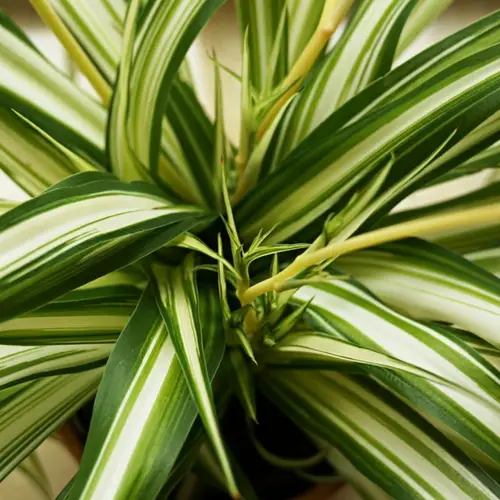
The most common variety featuring green leaves with a creamy white central stripe. This is the classic Spider Plant found in most Malaysian nurseries and homes.
Chlorophytum comosum ‘Variegatum’ (Reverse Variegated)
Features white or cream leaf margins with a green center—the opposite pattern of ‘Vittatum.’ Slightly less common but equally easy to care for.
Chlorophytum comosum ‘Mandaianum’
A compact variety with shorter, darker green leaves and yellow central stripes. Ideal for smaller spaces or tabletop displays.
Essential Care Requirements for Malaysian Homes
Light Requirements
Spider Plants prefer bright, indirect light but adapt well to medium light conditions. In Malaysian homes, place them:
- 1-2 meters from east or west-facing windows
- In well-lit rooms without direct sun exposure
- Away from harsh afternoon sun, which can scorch leaves
Important: Variegated varieties need more light to maintain their striping. In low light, they may revert to solid green.
Watering Guidelines for Tropical Climate
Spider Plants have thick, tuberous roots that store water, making them relatively drought-tolerant. However, in Malaysia’s warm climate:
- Frequency: Water 2-3 times per week when the top 2-3cm of soil feels dry
- During monsoon: Reduce watering as natural humidity increases
- Water quality: Use filtered or rainwater when possible—Spider Plants are sensitive to fluoride and chlorine in tap water, which causes brown leaf tips
- Drainage: Always use pots with drainage holes to prevent root rot
Temperature & Humidity
Spider Plants thrive in Malaysia’s natural conditions:
- Temperature: 18-32°C (perfectly suited to Malaysian homes)
- Humidity: 40-80% (naturally provided by tropical climate)
- Air circulation: Appreciate gentle airflow from fans or open windows
Fertilizing Schedule
Feed your Spider Plant regularly to maintain lush, vibrant foliage:
- Apply Serbajadi Plant Food Organic Plus 23 Growing Fertilisers every 2-3 weeks during active growth
- Reduce feeding to once monthly during slower growth periods
- Avoid over-fertilizing, which can cause brown leaf tips and reduced plantlet production
Repotting Your Spider Plant
Spider Plants grow quickly and become root-bound within 1-2 years. Repot when:
- Roots emerge from drainage holes
- Water runs straight through without being absorbed
- Growth slows despite proper care
Best potting mix: Use Serbajadi Multi-Purpose Compost or Serbajadi Organic Peat Moss for excellent drainage and nutrition. Choose a pot only 2-3cm larger than the current one—Spider Plants flower and produce more babies when slightly root-bound.
Propagating Spider Plant Babies
One of the most rewarding aspects of Spider Plant care is propagating the plantlets (spiderettes) that dangle from mature plants. In Malaysia’s warm, humid climate, propagation success rates are extremely high.
Method 1: Direct Planting
- Select a healthy plantlet with small root nubs visible
- Cut the stolon (connecting stem) with clean scissors
- Plant directly into moist Serbajadi Multi-Purpose Compost
- Keep soil consistently moist for 1-2 weeks until established
Method 2: Water Rooting
- Place cut plantlet in a glass of clean water
- Change water every 2-3 days
- Roots will develop within 7-14 days
- Transfer to soil once roots reach 2-3cm long
Common Problems & Solutions
Brown Leaf Tips
Causes:
- Fluoride or chlorine in tap water (most common in Malaysia)
- Low humidity (rare in Malaysian climate but possible in air-conditioned rooms)
- Nutrient deficiency or salt buildup from over-fertilizing
Solutions:
- Switch to filtered, distilled, or rainwater
- Flush soil monthly with clean water to remove salt buildup
- Feed regularly with Serbajadi Plant Food Organic Plus 23
- Trim brown tips with clean scissors for aesthetic purposes
Yellowing Leaves & Leaf Drop
Causes:
- Too much direct sunlight causing heat stress
- Insufficient light (especially for variegated varieties)
- Overwatering leading to root rot
Solutions:
- Move plant to bright, indirect light location
- Check soil moisture—allow top 2-3cm to dry between waterings
- If root rot is suspected, repot in fresh Serbajadi Multi-Purpose Compost after removing affected roots
Curled Leaves with Brown Spots
Causes:
- Underwatering (soil too dry for extended periods)
- Root-bound plant unable to absorb sufficient water
Solutions:
- Water thoroughly until it drains from bottom holes
- Establish consistent watering schedule
- Repot if roots are circling the pot or emerging from drainage holes
No Flowers or Plantlets
Causes:
- Plant too young (Spider Plants typically flower after 1-2 years)
- Insufficient light
- Pot too large (slight root restriction encourages flowering)
Solutions:
- Ensure bright, indirect light exposure
- Allow plant to become slightly root-bound
- Feed regularly with balanced fertilizer
Pest Management
Spider Plants are relatively pest-resistant, but in Malaysia’s humid climate, you may occasionally encounter:
Aphids
Small, soft-bodied insects that cluster on new growth and leaf undersides.
Treatment:
- Spray plant with high-pressure water to dislodge aphids
- Follow up with Serbajadi Neem Spray Extra Strength
- Repeat treatment every 5-7 days until infestation clears
Spider Mites
Tiny pests that cause stippling and fine webbing on leaves.
Treatment:
- Increase humidity around plant
- Spray with Serbajadi Neem Spray Extra Strength
- Isolate affected plant to prevent spread
Mealybugs
White, cottony pests found in leaf axils and on stems.
Treatment:
- Remove visible mealybugs with cotton swab dipped in rubbing alcohol
- Apply Serbajadi Neem Spray Extra Strength thoroughly
- Monitor weekly and retreat as needed
Why Spider Plants Excel in Malaysian Homes
- Climate compatibility: Naturally suited to tropical temperatures and humidity
- Air purification: Removes common indoor pollutants in urban environments
- Low maintenance: Tolerates occasional neglect and irregular watering
- Pet-friendly: Safe for homes with cats, dogs, and children
- Easy propagation: Produces free baby plants for sharing or expanding your collection
- Versatile display: Looks stunning in hanging baskets, on shelves, or as tabletop plants
Frequently Asked Questions
Is Spider Plant safe for cats and dogs?
Yes, Spider Plants (Chlorophytum comosum) are completely safe for pets. They are non-toxic to cats, dogs, and other household pets, making them an excellent choice for pet-friendly homes in Malaysia.
Why do my Spider Plant leaves have brown tips?
Brown tips on Spider Plant leaves typically indicate fluoride or chlorine sensitivity from tap water, low humidity, or nutrient deficiency. Use filtered or rainwater when possible, maintain humidity above 40%, and feed regularly with Serbajadi Plant Food Organic Plus 23. Trim brown tips with clean scissors for aesthetic purposes.
How often should I water Spider Plants in Malaysia?
In Malaysia’s tropical climate (24-32°C with high humidity), water your Spider Plant 2-3 times per week during dry periods. Check the top 2-3cm of soil—water when it feels dry to the touch. During monsoon season, reduce watering frequency as humidity levels increase naturally.
Can Spider Plants grow in low light conditions?
Spider Plants tolerate low light but thrive in bright, indirect light. In low-light Malaysian homes, growth will slow and variegated varieties may lose their striping. For best results, place them near windows with filtered light or in well-lit rooms without direct sun exposure.
How do I propagate Spider Plant babies?
Spider Plant propagation is extremely easy. Simply cut off plantlets (spiderettes) that have small root nubs, and plant them directly into moist Serbajadi Multi-Purpose Compost. Alternatively, place them in water until roots develop (7-14 days), then transfer to soil. Malaysia’s warm, humid climate ensures high success rates.
Start Your Spider Plant Journey Today
Whether you’re a complete beginner or an experienced plant parent, Spider Plants offer unmatched ease of care combined with air-purifying benefits and attractive foliage. Their adaptability to Malaysia’s tropical climate makes them one of the most reliable houseplants you can grow.
Ready to give your Spider Plant the best care? Explore our complete range of houseplant care products specially formulated for Malaysian growing conditions.