How to Grow Asplenium Ferns in Malaysia’s Tropical Climate
Asplenium ferns are among the most rewarding foliage plants for Malaysian homes and gardens. Perfectly adapted to our tropical climate with temperatures ranging from 24-32°C and humidity levels above 80%, these elegant ferns bring lush greenery to shaded corners where other plants struggle. Whether you’re growing the popular Bird’s Nest Fern (Asplenium nidus) or the delicate Mother Fern (Asplenium bulbiferum), this comprehensive guide will help you achieve thriving, vibrant ferns year-round.
Understanding Asplenium Ferns
Classification: Foliage house plant
Plant Type: Baby-bearing plant or spear-leaved plant (depending on variety)
Growing Conditions: Cultivated as indoor or shaded outdoor plants
Pet Safety: Yes, safe for cats and dogs
Popular Asplenium Varieties in Malaysia
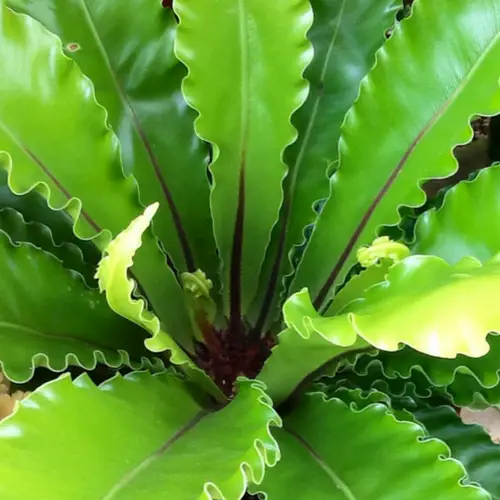
- Asplenium nidus (Bird’s Nest Fern) – Features broad, glossy fronds that emerge from a central rosette resembling a bird’s nest. Ideal for indoor spaces and shaded patios.
- Asplenium bulbiferum (Mother Fern) – Also known as hen-and-chicken fern, produces baby plantlets on mature fronds. Perfect for propagation enthusiasts.
- Asplenium viviparum – A less common variety with finely divided fronds and similar baby-bearing characteristics.
Essential Care Requirements for Malaysian Climate
Temperature
Asplenium ferns thrive in Malaysia’s average warmth of 24-32°C. They’re well-suited to our consistent tropical temperatures but should be protected from air conditioning vents that create cold drafts, and from areas that exceed 35°C during extreme heat periods.
Light Requirements
These ferns are shade-lovers, making them perfect for Malaysian homes with limited direct sunlight. Position them in:
- Bright, indirect light near north-facing windows
- Shaded outdoor areas under tree canopies
- Bathrooms with natural light (they love the humidity!)
- Covered verandas and porches
Warning: Direct sunlight will cause pale fronds and scorch marks on the leaf surface. If you notice these symptoms, immediately relocate your fern to a shadier spot.
Watering in Tropical Conditions
The key to successful Asplenium care in Malaysia is maintaining consistent moisture without waterlogging:
- Keep the planting medium moist at all times, but never soggy
- During hot, dry periods (28-32°C), check soil moisture daily
- During monsoon season, reduce watering frequency as humidity naturally increases
- Use room-temperature water to avoid shocking the roots
- For Bird’s Nest Ferns, avoid pouring water directly into the central rosette to prevent rot
Humidity Needs
Malaysia’s natural humidity (80%+) is ideal for Asplenium ferns. However, air-conditioned rooms can reduce humidity levels. If you notice yellowing fronds with brown tips and no new growth, increase humidity by:
- Grouping plants together
- Placing pots on pebble trays with water
- Misting fronds regularly (especially during dry spells)
- Moving plants to naturally humid areas like bathrooms or kitchens
Repotting and Growing Medium
Repot your Asplenium fern annually or when roots fill the pot, typically during the drier months (March-April or September-October) to minimize stress. Use high-quality growing media that retain moisture while providing drainage:
- Serbajadi Organic Peat Moss – Excellent moisture retention for consistent hydration
- Serbajadi Multi-Purpose Compost – Nutrient-rich option that supports healthy growth
Fertilizing Your Asplenium Ferns
Feed your ferns with Serbajadi Plant Food Foliar Growing Supreme 26 Liquid Fertiliser to maintain lush, vibrant fronds.
Application tips:
- Always apply fertilizer to moist soil, never dry
- Use diluted solutions – less is more with ferns
- Fertilize every 4-6 weeks during active growing periods
- Reduce feeding during monsoon season when growth naturally slows
- Important: Over-fertilizing causes more damage than using no fertilizer at all. If you see pale fronds with weak growth, this indicates nutrient deficiency, but always start with half the recommended dose.
Common Problems and Solutions
Identifying Normal vs. Problematic Symptoms
Brown dots or lines regularly arranged on underside of fronds: These are spores – completely normal! This is how ferns reproduce naturally. No action needed.
Brown shells irregularly scattered on fronds: This indicates scale insects. Wipe off with a damp cloth or cotton bud and spray with Serbajadi Neem Spray Extra Strength.
Yellowing fronds beginning at base, mature fronds develop brown spots and fall: Caused by high temperatures (above 32°C) or incorrect watering. Move to a cooler location and adjust watering schedule.
Yellowing fronds with brown tips, no new growth: Insufficient humidity. Increase moisture in the air using methods mentioned above.
Pale fronds with scorch marks: Too much direct sun. Relocate immediately to a shadier position.
Pale fronds with weak growth: Nutrient deficiency. Begin a regular fertilizing schedule with diluted liquid fertilizer.
Fronds dying back: Not enough moisture in the soil. Increase watering frequency and ensure the growing medium never completely dries out.
Pest Management in Malaysian Climate
Aphelenchoides (Foliar Nematodes)
These microscopic pests cause brown, water-soaked patches on fronds. Cut off all affected brown leaves immediately and dispose of them (do not compost). Improve air circulation around the plant.
Aphids
Small, soft-bodied insects that cluster on new growth. Treatment:
- Spray the plant with high-pressure water to dislodge aphids
- Follow up with Serbajadi Neem Spray Extra Strength
- Repeat treatment weekly until infestation clears
Spider Mites
These tiny pests thrive on water-stressed plants, creating fine webbing on fronds. Prevention is key:
- Maintain consistent watering (but avoid over-watering)
- Keep humidity levels high
- If infestation occurs: Wipe fronds with a damp cloth and spray with Serbajadi Neem Spray Extra Strength
Scale Insects
Brown, shell-like bumps that attach to fronds and stems. Remove by wiping with a damp cloth or cotton bud dipped in rubbing alcohol, then spray with Serbajadi Neem Spray Extra Strength for complete control.
Seasonal Care Tips for Malaysia
Monsoon Season (November-February)
- Reduce watering frequency as natural humidity increases
- Ensure adequate drainage to prevent waterlogging
- Watch for fungal issues in overly wet conditions
- Reduce fertilizer applications
Hot, Dry Periods (March-April, June-August)
- Increase watering frequency
- Mist fronds daily during extreme heat
- Move plants to cooler, shadier locations if temperatures exceed 32°C
- Resume regular fertilizing schedule
Frequently Asked Questions
Are Asplenium ferns safe for pets?
Yes, Asplenium ferns including Bird’s Nest Fern (Asplenium nidus) and Mother Fern (Asplenium bulbiferum) are non-toxic and safe for cats and dogs, making them excellent choices for pet-friendly homes in Malaysia.
Why are my Asplenium fern fronds turning yellow?
Yellowing fronds typically indicate high temperatures, incorrect watering, or low humidity. In Malaysia’s climate, ensure your fern stays in temperatures between 24-32°C, maintain consistent moisture without waterlogging, and increase humidity if fronds show brown tips with no new growth.
How often should I water my Asplenium fern in Malaysia?
Keep the planting medium consistently moist but not soggy. During Malaysia’s hot periods (28-32°C), check daily and water when the top layer feels slightly dry. During monsoon season with high humidity, reduce watering frequency but never let the soil completely dry out.
What are the brown dots under my fern fronds?
If the brown dots or lines are regularly arranged in patterns on the underside of fronds, these are spores – the fern’s natural reproductive structures. This is completely normal and not a cause for concern. However, irregularly scattered brown shells indicate scale insects and require treatment.
Can I grow Asplenium ferns outdoors in Malaysia?
Yes, Asplenium ferns thrive outdoors in Malaysia’s tropical climate when placed in shaded areas. They naturally prefer Malaysia’s high humidity (80%+) and warm temperatures (24-32°C). Protect them from direct afternoon sun and ensure shelter during heavy monsoon rains to prevent waterlogging.
Conclusion
Asplenium ferns are perfectly suited to Malaysia’s tropical climate, requiring minimal intervention once you understand their basic needs for shade, consistent moisture, and high humidity. By following these care guidelines and using quality products like Serbajadi Multi-Purpose Compost and Serbajadi Plant Food Foliar Growing Supreme 26, you’ll enjoy lush, healthy ferns that bring natural beauty to your indoor and outdoor spaces year-round.
For more plant care guides and premium gardening products optimized for Malaysia’s tropical climate, visit Serbajadi’s online store.