Alocasia Care Guide Malaysia: Growing Elephant Ear Plants
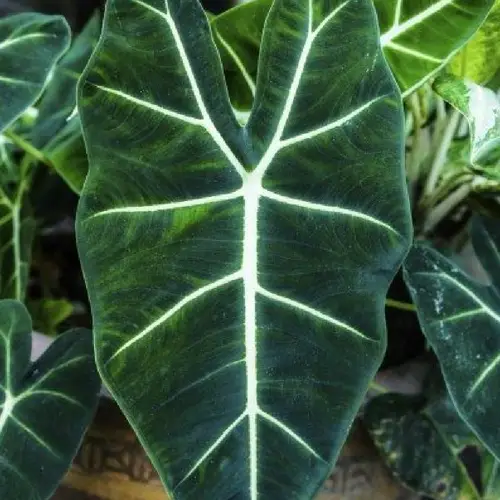
Alocasia, commonly known as Elephant Ear plants, are stunning tropical foliage houseplants prized for their dramatic, arrow-shaped leaves adorned with striking pale-colored veins. These bushy plants with erect stems create an instant tropical ambiance in Malaysian homes and gardens. While Alocasia thrives in our warm, humid climate (24-32°C), they do require specific care to maintain their spectacular appearance.
Understanding Alocasia: Plant Classification
Plant Type: Tropical foliage houseplant
Growth Habit: Bushy plant with erect stems
Distinctive Features: Large, arrow-shaped leaves with prominent pale veining
Pet Safety: Toxic to cats and dogs—keep out of reach of pets and children
Popular Alocasia Varieties in Malaysia
Alocasia amazonica (African Mask Plant)
Features stunning metallic green leaves with deeply scalloped edges and prominent white veins. This compact variety is ideal for indoor spaces and thrives in Malaysia’s humidity. The dark, glossy foliage creates a dramatic contrast in any plant collection.
Alocasia sanderiana (Kris Plant)
Characterized by elongated, dark green to almost black leaves with striking white or silvery veins. The deeply lobed leaf margins give this variety an exotic, sculptural appearance. Slightly more challenging to grow but rewarding for experienced plant enthusiasts.
Essential Alocasia Care Requirements
Light Requirements
Alocasia plants prefer bright, indirect light or semi-shade. In Malaysia’s intense tropical sun, avoid placing them in direct sunlight, which can scorch the delicate leaves. East-facing windows or locations with filtered light work perfectly. If growing outdoors, choose a sheltered spot under tree canopy or shade cloth.
Temperature Needs
Alocasia thrives in warm temperatures between 24-32°C—perfect for Malaysia’s year-round tropical climate. Avoid placing plants near air-conditioning vents or in rooms consistently below 20°C, as cold temperatures cause leaf curling and brown edges.
Watering Guidelines
Keep the potting medium consistently moist but never waterlogged. Water when the top 2-3cm of soil feels slightly dry to the touch. In Malaysia’s humid climate, this typically means watering 2-3 times per week, adjusting during the monsoon season when natural humidity is higher. Ensure pots have drainage holes to prevent root rot.
Humidity Requirements
Alocasia demands high humidity levels (60-80%), which Malaysia’s tropical climate naturally provides. However, air-conditioned indoor spaces may require supplemental humidity. Increase moisture by:
- Misting leaves regularly with room-temperature water
- Placing pots on pebble trays filled with water
- Grouping plants together to create a humid microclimate
- Using a humidifier in dry indoor environments
Soil and Potting Medium
Use a well-draining, nutrient-rich potting mix that retains moisture without becoming soggy. An ideal mix combines:
- Serbajadi Organic Peat Moss for moisture retention and acidity
- Serbajadi Multi-Purpose Compost for nutrients and structure
- Perlite or coarse sand for improved drainage
Fertilizing Schedule
Feed your Alocasia every 2-3 weeks during the active growing season with a balanced liquid fertilizer. Serbajadi Plant Food Foliar Growing Supreme 26 Liquid Fertiliser (500ml) provides essential nutrients for lush, vibrant foliage growth. Reduce feeding frequency during the cooler, less active months.
Repotting
Repot Alocasia annually in spring to refresh the potting medium and provide room for root growth. Choose a pot 2-5cm larger than the current container. Use fresh Serbajadi Organic Peat Moss or Serbajadi Multi-Purpose Compost to ensure optimal drainage and nutrition.
Common Alocasia Problems and Solutions
Shriveled Brown Leaf Tips
Cause: Low humidity or inconsistent watering
Solution: Increase humidity through regular misting or pebble trays. Ensure consistent soil moisture without overwatering. Trim damaged tips with clean scissors for aesthetic improvement.
Curled Leaves with Brown Edges
Cause: Air temperature too cool or cold drafts
Solution: Move plant to a warmer location away from air-conditioning vents. Maintain temperatures above 20°C consistently. Malaysia’s natural warmth is ideal—avoid artificially cooled environments.
Yellow Leaves
Cause: Overwatering, underwatering, or nutrient deficiency
Solution: Check soil moisture and adjust watering schedule. Ensure proper drainage. Apply Serbajadi Plant Food Foliar Growing Supreme 26 to address nutrient deficiencies.
Drooping Leaves
Cause: Underwatering or root-bound conditions
Solution: Water thoroughly and ensure consistent moisture. Check if roots are circling the pot—if so, repot into a larger container with fresh medium.
Pest Management for Alocasia
Mealybugs
These white, cottony pests cluster on leaf undersides and stems, sucking plant sap.
Treatment: Wipe off with a damp cloth or cotton bud dipped in rubbing alcohol. Spray affected areas with Serbajadi Neem Spray Extra Strength for organic pest control. Repeat weekly until infestation clears.
Aphids
Small, soft-bodied insects that cluster on new growth, causing distorted leaves.
Treatment: Spray plant with high-pressure water to dislodge aphids. Follow with Serbajadi Neem Spray Extra Strength to prevent reinfestation. Monitor regularly during humid periods when aphids are most active.
Spider Mites
Tiny pests that create fine webbing and cause stippled, yellowing leaves. More common on water-stressed plants.
Treatment: Wipe leaves with a damp cloth and spray thoroughly with Serbajadi Neem Spray Extra Strength. Prevention: Maintain consistent soil moisture and high humidity—spider mites thrive in dry conditions.
Scale Insects
Brown, shell-like pests that attach to stems and leaf undersides.
Treatment: Scrape off scales with a fingernail or cotton bud. Wipe affected areas with rubbing alcohol. Spray with Serbajadi Neem Spray Extra Strength to eliminate crawlers and prevent spread.
Seasonal Care Tips for Malaysia
Monsoon Season (November-February)
Reduce watering frequency as natural humidity increases. Ensure excellent drainage to prevent waterlogging during heavy rains. Move outdoor plants to sheltered locations to protect large leaves from wind damage.
Hot, Dry Periods (March-April)
Increase watering frequency and misting. Monitor for spider mites which thrive in dry conditions. Provide extra shade during peak afternoon heat to prevent leaf scorch.
Year-Round Maintenance
Wipe leaves monthly with a damp cloth to remove dust and improve photosynthesis. Inspect regularly for pests. Remove yellowed or damaged leaves promptly to maintain plant health and appearance.
Propagation Methods
Alocasia can be propagated through division during repotting. Carefully separate offset plants (pups) with roots attached from the mother plant. Pot individually in fresh Serbajadi Multi-Purpose Compost. Keep soil consistently moist and maintain high humidity until new growth appears.
Frequently Asked Questions
Is Alocasia safe for pets?
No, Alocasia plants are toxic to cats and dogs. They contain calcium oxalate crystals that can cause oral irritation, drooling, vomiting, and difficulty swallowing if ingested. Keep Alocasia plants out of reach of pets and children.
Why are my Alocasia leaves turning yellow?
Yellow leaves on Alocasia can indicate overwatering, underwatering, or nutrient deficiency. Check soil moisture levels and ensure proper drainage. If the soil is appropriate, apply a balanced liquid fertilizer like Serbajadi Plant Food Foliar Growing Supreme 26 to address potential nutrient deficiencies.
How often should I water Alocasia in Malaysia?
In Malaysia’s tropical climate, water your Alocasia 2-3 times per week, keeping the soil consistently moist but not waterlogged. During the monsoon season, reduce watering frequency. Always check the top 2-3cm of soil before watering—if it feels slightly dry, it’s time to water.
What causes brown tips on Alocasia leaves?
Brown, shriveled leaf tips indicate low humidity or inconsistent watering. Increase humidity by misting regularly, using a pebble tray, or grouping plants together. Brown edges with curled leaves suggest the air temperature is too cool—maintain temperatures between 24-32°C for optimal growth.
Can Alocasia grow outdoors in Malaysia?
Yes, Alocasia can grow outdoors in Malaysia’s tropical climate, but they prefer sheltered, semi-shaded locations protected from direct afternoon sun and heavy rain. Ensure good drainage and protection from strong winds which can damage the large leaves. Indoor cultivation offers better control over growing conditions.
Final Thoughts
Alocasia plants bring dramatic tropical beauty to Malaysian homes with their stunning foliage and architectural presence. While they require attention to humidity and watering needs, our naturally warm, humid climate provides ideal growing conditions. With proper care using quality products like Serbajadi Multi-Purpose Compost and Serbajadi Plant Food Foliar Growing Supreme 26, your Alocasia will reward you with lush, vibrant growth year-round.
Ready to start your Alocasia journey? Visit Serbajadi’s online shop for all your tropical plant care essentials, backed by over 35 years of horticultural expertise in Malaysia’s unique climate.