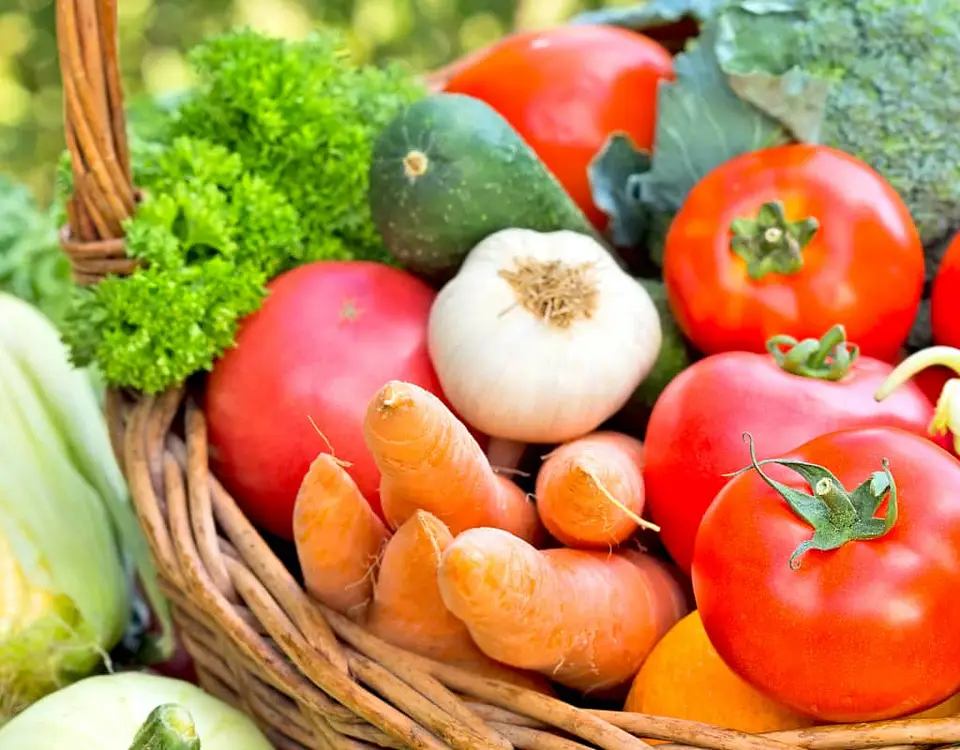
5 Fruits Mistaken as Vegetables in Malaysian Gardens
When shopping at the wet market or pasar, you’ve probably noticed that many items we call “vegetables” are actually fruits in botanical terms. This confusion stems from how we use these plants in cooking rather than their scientific classification. Understanding the difference can help you become a better gardener and make informed choices when growing your own food.
The botanical definition is clear: Fruits are the mature, ripened ovaries of flowering plants that develop after pollination and contain seeds. Vegetables, however, are other edible plant parts—roots like carrots, leaves like spinach, stems like celery, or flower buds like broccoli—that don’t develop from the flower’s ovary.
In Malaysia’s tropical climate with temperatures ranging from 24-32°C and high humidity, many of these “culinary vegetables” thrive beautifully in home gardens. Let’s explore five common fruits that are mistakenly called vegetables and learn how to grow them successfully.

1. Tomato (Solanum lycopersicum)
Why It’s a Fruit: Tomatoes develop from the flower’s ovary and contain numerous seeds, making them true botanical fruits. The confusion arises because their savory, umami-rich flavor makes them perfect for cooking rather than eating as dessert.
Growing Tomatoes in Malaysia: Tomatoes thrive in Malaysia’s warm climate but require careful water management during monsoon season. They need full sun (6-8 hours daily), well-draining soil, and consistent moisture. Cherry tomato varieties are particularly well-suited for Malaysian home gardens as they’re more resistant to humidity-related diseases.
Nutritional Benefits: Rich in Vitamin C, lycopene (a powerful antioxidant), and potassium. The natural acidity in tomatoes has been used in traditional skin care remedies for brightening and toning.
Growing Tips:
- Plant in containers with drainage holes to prevent waterlogging
- Stake or cage plants for support as they grow
- Feed with Organic Vegetable Fertiliser every 2-3 weeks
- Water in the morning to reduce fungal disease risk
- Harvest when fruits are fully colored but still firm
2. Okra / Lady’s Fingers (Abelmoschus esculentus)
Why It’s a Fruit: Okra pods are seed-bearing structures that develop from the flower, making them botanical fruits. The entire pod—including the skin and seeds—is edible, and those characteristic seeds that “pop” in your mouth are proof of its fruit status.
Growing Okra in Malaysia: Okra is exceptionally well-suited to Malaysia’s tropical climate. It loves heat and humidity, making it one of the easiest vegetables to grow year-round. This fast-growing plant is featured in Malay, Chinese, and Indian cuisines across Malaysia.
Nutritional Benefits: High in fiber, vitamins A, C, and K, plus folate. The mucilage (slimy texture) is beneficial for digestive health and has been used in traditional medicine.
Growing Tips:
- Direct sow seeds in sunny location after soaking overnight
- Space plants 30-45cm apart for good air circulation
- Thrives in Malaysia’s heat—no special protection needed
- Apply Organic Vegetable Fertiliser monthly for continuous production
- Harvest pods when 7-10cm long (younger pods are more tender)
- Pick regularly to encourage more flowering and fruiting


3. Eggplant / Brinjal / Terung (Solanum melongena)
Why It’s a Fruit: Like tomatoes (their botanical cousin), eggplants develop from flowers and contain seeds throughout their flesh. The glossy “vegetables” we cook are actually berries in botanical classification.
Growing Eggplant in Malaysia: Eggplants are perfectly adapted to tropical climates and grow vigorously in Malaysian gardens. Multiple varieties are available—from the large purple globe types to the long, slender Asian varieties and small round Thai eggplants. Each variety offers different flavors and textures for various cuisines.
Nutritional Benefits: Low in calories but rich in fiber, antioxidants (especially nasunin in the purple skin), and vitamins. Regular consumption may support heart health and blood sugar control.
Growing Tips:
- Start from quality seeds or healthy seedlings
- Plant in full sun with rich, well-draining soil
- Use Potting Soil mixed with compost for container growing
- Feed with Organic Vegetable Fertiliser every 2 weeks
- Watch for flea beetles and aphids—treat with GarNeem Spray
- Harvest when skin is glossy and fruit feels firm
4. Cucumber / Timun (Cucumis sativus)
Why It’s a Fruit: Cucumbers develop from the flower and contain seeds embedded in their flesh, making them botanical fruits. The crunchy texture and high water content make them popular for fresh consumption in salads and as refreshing snacks.
Growing Cucumbers in Malaysia: Cucumbers are vigorous climbers that produce abundantly in tropical conditions. They prefer consistent moisture and benefit from vertical growing to save space and improve air circulation, which reduces disease pressure in humid climates.
Nutritional Benefits: Extremely hydrating (95% water), low in calories, and containing vitamins K and C, potassium, and silica. Widely used in skincare for their cooling and anti-inflammatory properties.
Growing Tips:
- Provide a trellis or support structure for climbing varieties
- Plant in well-draining soil enriched with Multi-Purpose Compost
- Water consistently—irregular watering causes bitter fruit
- Apply Organic Vegetable Fertiliser every 2 weeks
- Harvest regularly when fruits reach desired size
- Pick in the morning for best crispness and flavor