Balcony Garden Ideas Malaysia: 4 Ways to Create Your Tropical Urban Oasis
Living in a Malaysian apartment or condo doesn’t mean sacrificing your love for gardening! Whether you’re in Kuala Lumpur, Penang, or Johor Bahru, your balcony holds incredible potential to become a thriving green sanctuary. With Malaysia’s tropical climate—characterized by temperatures between 24-32°C, high humidity levels, and monsoon seasons—balcony gardening presents unique opportunities and challenges that require specialized approaches.
The rising cost of fresh produce has sparked a kitchen gardening revolution across Malaysian urban areas. Growing your own herbs, vegetables, and ornamental plants not only saves money but also provides access to fresh, pesticide-free produce right outside your door. From compact container setups to innovative vertical gardens, these four proven methods will help you transform even the smallest balcony into an immersive experience with nature, perfectly adapted to our tropical monsoon climate.

Container Gardening
1. Container Gardening: The Foundation of Balcony Success
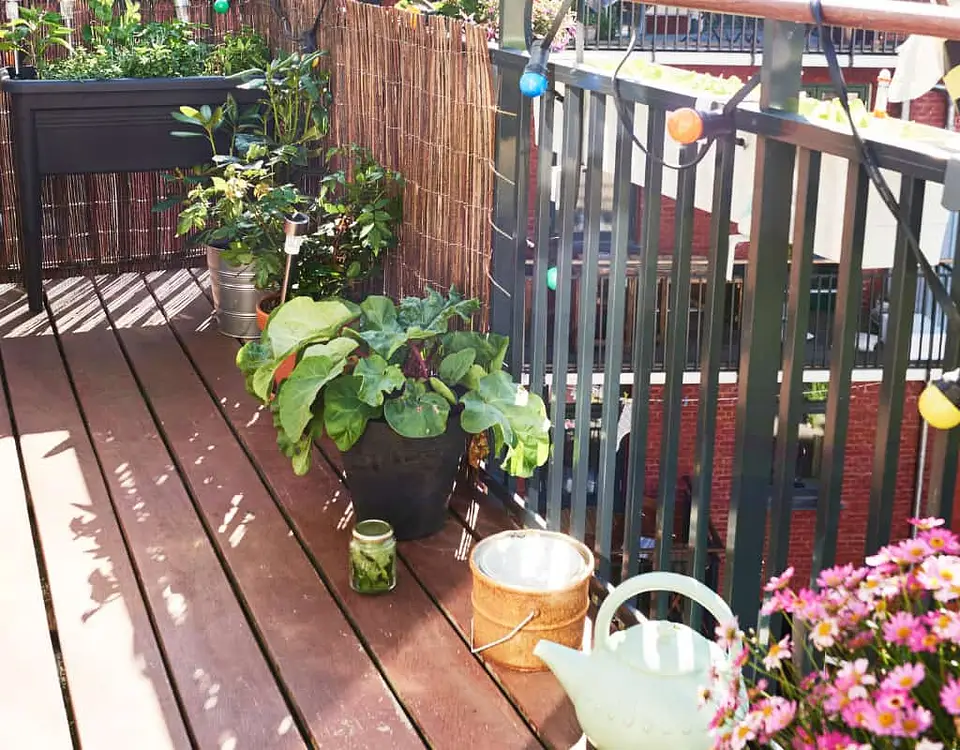
Container gardening is the most versatile and beginner-friendly approach for Malaysian balcony gardens. This method gives you complete control over soil quality, drainage, and plant placement—critical factors when dealing with tropical humidity and intense afternoon sun.
Choosing the Right Containers for Tropical Conditions
Select lightweight containers with adequate drainage holes to prevent waterlogging during monsoon season. Plastic and resin pots work exceptionally well in Malaysia’s climate as they retain moisture better than terracotta, which dries out quickly in our heat. For balconies with weight restrictions, consider fabric grow bags or hanging baskets that distribute weight evenly along railings and walls.
Soil Selection for Malaysian Climate
The key to successful container gardening in tropical climates is using the right growing medium. Standard garden soil becomes compacted and poorly drained in containers. Instead, use quality Potting Soil specifically formulated for container use, which provides excellent drainage while retaining adequate moisture.
Enhance your potting mix with Multi-Purpose Compost to improve moisture retention during hot, dry spells and add beneficial organic matter. For vegetable containers, incorporate Vermicompost to boost nutrient content and improve soil structure naturally.
Container Arrangement Strategies
Position containers strategically based on sun exposure. Place sun-loving vegetables and flowering plants where they receive 4-6 hours of morning sun, while shade-tolerant ornamentals can thrive in shadier corners. Group containers with similar water needs together to simplify maintenance during Malaysia’s unpredictable weather patterns.

Grow Your Plants Vertically
2. Vertical Gardening: Maximize Limited Space
Vertical gardening has become increasingly popular among Malaysian urban gardeners, and for good reason—it can triple your growing space without expanding your balcony’s footprint. This method is particularly effective in high-rise apartments where floor space is precious but wall space is abundant.
Vertical Structure Options
Create vertical growing systems using wall-mounted planters, tiered plant stands, or repurposed wooden pallets. Ensure any structure is securely fastened to withstand strong winds during thunderstorms. Lightweight materials work best to avoid overloading balcony weight limits while still providing sturdy support for your plants.
Best Plants for Vertical Growing
Choose trailing and climbing plants that naturally grow upward or cascade downward. Devil’s Ivy (Pothos), Money Plant, and Philodendron are excellent choices for upper levels as they tolerate Malaysia’s humidity and can handle partial shade. For edible options, try cherry tomatoes, climbing beans, or passion fruit vines that thrive in our tropical heat.
Nasturtiums add vibrant color while being remarkably heat-tolerant, making them perfect for Malaysian balconies. Their trailing nature creates a lush, full appearance that maximizes visual impact in vertical arrangements.
Maintenance Considerations
Vertical gardens dry out faster than ground-level containers due to increased air circulation and sun exposure. Check moisture levels daily during hot periods, and consider installing a simple drip irrigation system for consistent watering. Apply Controlled Release Fertiliser to vertical planters to ensure steady nutrition despite frequent watering that can wash out nutrients.

Keep Your Plants Hydrated
3. Smart Watering Systems for Tropical Balconies
Proper hydration is crucial for balcony gardens in Malaysia’s climate, where intense heat can quickly dry out containers, yet sudden monsoon downpours can waterlog plants. Developing an efficient watering strategy ensures your plants thrive year-round.
Timing Your Watering
Water early morning (before 9am) when temperatures are cooler and evaporation rates are lower. This timing allows foliage to dry before nightfall, reducing fungal disease risks in our humid climate. Avoid evening watering, which keeps leaves wet overnight—a recipe for fungal problems in tropical conditions.
Rainwater Harvesting
Install rainwater collection barrels or containers to capture Malaysia’s abundant rainfall during monsoon season. This sustainable practice reduces water bills and provides plants with naturally soft water free from chlorine and other treatment chemicals. Position collection containers strategically to catch runoff from balcony overhangs or air conditioning units.
Drainage Solutions
Ensure all containers have adequate drainage holes and use pot feet or stands to elevate containers slightly, allowing excess water to escape freely. During heavy monsoon rains, temporarily move sensitive plants to more sheltered positions to prevent waterlogging. Consider adding Perlite to your potting mix to improve drainage in containers prone to water retention.
Water Conservation Techniques
For balconies that receive intense afternoon sun, apply Water Saver crystals to your potting mix. These super-absorbent polymers reduce watering frequency by up to 50% while ensuring consistent moisture availability during hot, dry periods between monsoon rains.

Japanese-style Garden
4. Themed Garden Designs: Japanese-Style Tropical Adaptation
Japanese-style gardens offer a serene aesthetic that translates beautifully to Malaysian balconies. This design philosophy emphasizes simplicity, natural elements, and mindful plant selection—principles that work exceptionally well in compact urban spaces.
Adapting Japanese Design for Tropical Climate
Traditional Japanese gardens focus on evergreen plants and minimalist arrangements. Adapt this concept for Malaysia by selecting tropical plants with similar visual characteristics: bamboo palms for vertical interest, dwarf mondo grass for ground cover, and compact ferns for lush texture. These plants thrive in our humidity while maintaining the clean, organized aesthetic of Japanese design.
Container Selection and Arrangement
Choose simple, elegant containers in neutral colors—ceramic pots in earth tones or matte black complement the Japanese aesthetic. Arrange plants asymmetrically in odd numbers (groups of three or five) to create visual balance. Incorporate different heights and textures while maintaining an uncluttered appearance.
Water Features for Small Spaces
Add a miniature water element using a small glass bowl or ceramic basin filled with water plants like dwarf water lilies or water lettuce. These aquatic plants thrive in Malaysia’s warm temperatures and add a cooling visual element to your balcony. The gentle sound of water creates a tranquil atmosphere while increasing local humidity—beneficial for surrounding plants.
Accent Plants and Color
While Japanese gardens traditionally favor green foliage, you can introduce subtle color through carefully selected flowering plants. Compact orchids, peace lilies, or anthuriums provide elegant blooms without overwhelming the minimalist design. For orchids, use Orchid Flower Booster to encourage consistent blooming in your Japanese-inspired arrangement.
Essential Care Tips for Malaysian Balcony Gardens
Fertilization in Tropical Conditions
Container plants require regular feeding as nutrients wash out quickly, especially during monsoon season. For vegetable gardens, apply Organic Vegetable Fertiliser every 2-3 weeks to ensure healthy growth and abundant harvests. For flowering plants, use Flowering Inducer 47 to promote vibrant, long-lasting blooms.
Pest Management in High Humidity
Malaysia’s humid climate can encourage pest problems like aphids, mealybugs, and spider mites. Monitor plants regularly and address issues early with GarNeem Spray, an organic solution safe for edible crops. Remember to observe a 7-day interval between application and harvest for all vegetables and herbs.
Seasonal Adjustments
During the dry season (typically February-March and June-July), increase watering frequency and provide afternoon shade for sensitive plants. During monsoon periods (November-January and April-May), reduce watering and ensure excellent drainage to prevent root rot. Adjust fertilization schedules accordingly—plants need less feeding during heavy rain periods when growth naturally slows.
Getting Started: Your Balcony Garden Journey
Transform your Malaysian balcony into a lush, productive oasis by starting small and expanding gradually. Begin with easy-to-grow plants like herbs (basil, mint, curry leaves) or hardy ornamentals (pothos, snake plants) to build confidence before tackling more challenging species.
For beginners, consider a Vegetable Growing Kit that includes everything needed to start your kitchen garden journey. These comprehensive kits take the guesswork out of plant selection and provide quality materials optimized for tropical conditions.
Remember that successful balcony gardening in Malaysia requires patience and observation. Pay attention to how your specific balcony’s microclimate—sun exposure, wind patterns, and rainfall access—affects your plants, and adjust your care routine accordingly. With time, you’ll develop an intuitive understanding of your garden’s needs and enjoy the rewards of fresh herbs, vegetables, and beautiful flowers right outside your door.
Frequently Asked Questions
What are the best plants for balcony gardens in Malaysia?
For Malaysian balconies, choose heat-tolerant plants that thrive in 24-32°C temperatures and high humidity. Excellent options include herbs (basil, mint, curry leaves), leafy vegetables (kangkung, sawi), ornamental plants (Devil’s Ivy, snake plants), and flowering plants (hibiscus, bougainvillea). These plants are adapted to tropical monsoon conditions and can handle Malaysia’s climate.
How often should I water my balcony garden in Malaysia’s humid climate?
In Malaysia’s humid climate, water frequency depends on your balcony’s sun exposure and plant types. Generally, water early morning (before 9am) every 1-2 days during dry periods. During monsoon season, reduce watering as rain provides moisture. Always check soil moisture first—water only when the top 2-3cm feels dry. Good drainage is essential to prevent root rot in high humidity conditions.
What type of soil is best for container gardening in tropical climates?
For Malaysian balcony gardens, use well-draining potting soil specifically formulated for tropical conditions. Quality potting soil should contain a mix of organic matter, perlite or vermiculite for drainage, and moisture-retaining components. Enhance soil with compost or vermicompost to improve nutrient content and water retention. Avoid using garden soil alone, as it compacts in containers and doesn’t drain well during heavy monsoon rains.
How can I maximize space in a small balcony garden?
Maximize small balcony spaces through vertical gardening—use wall-mounted planters, hanging baskets, tiered plant stands, or repurposed pallets. Choose compact plant varieties and multi-functional containers. Utilize railings for hanging pots and corners for vertical structures. Trailing plants like Devil’s Ivy work well at upper levels, while compact herbs and vegetables fit lower tiers. This approach can triple your growing space without expanding the balcony footprint.
Do I need special fertilizer for balcony container plants?
Yes, container plants need regular fertilization as nutrients wash out faster than in-ground gardens, especially during Malaysia’s monsoon season. Use controlled-release fertilizers for steady feeding, or apply liquid fertilizers every 2-3 weeks. For vegetables, choose organic vegetable fertilizers. For flowering plants, use flowering boosters. Container plants in tropical climates benefit from fertilizers that withstand heavy rainfall and high temperatures.
Ready to start your balcony garden? Visit Serbajadi Grow Joy Shop for quality potting soil, fertilizers, seeds, and complete gardening kits optimized for Malaysia’s tropical climate!