Cactus & Succulent Care Guide for Malaysian Tropical Climate
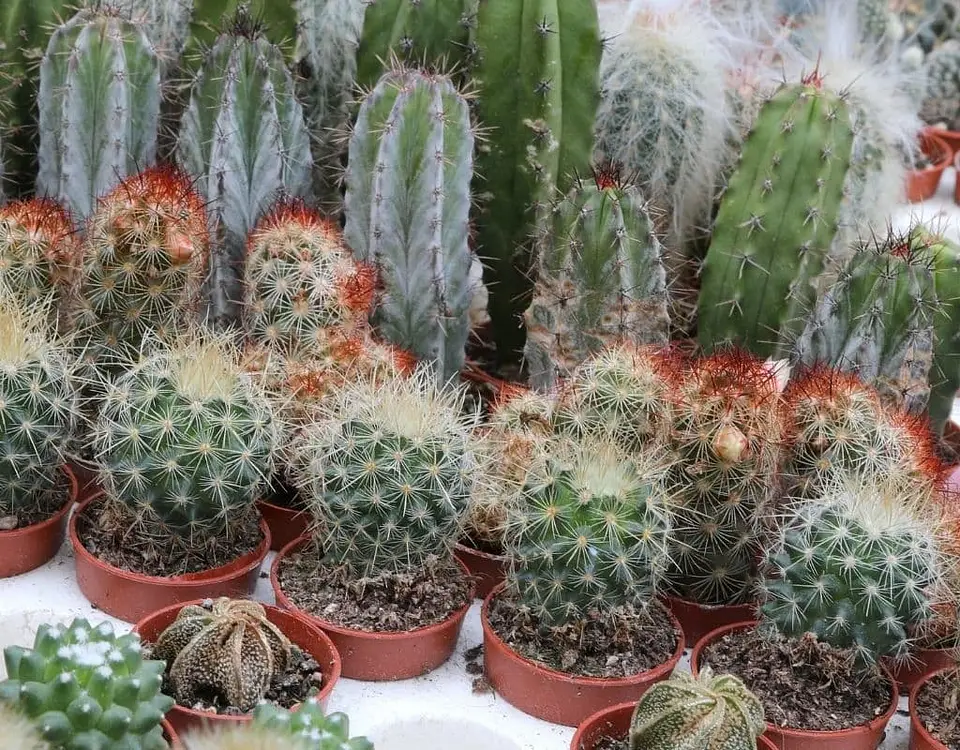
Cacti and succulents have become increasingly popular among Malaysian home gardeners and office plant enthusiasts. These remarkable plants come in a vast range of shapes and sizes—from petite desk companions to grand statement pieces. What makes them special is their shared ability to thrive in arid conditions, storing water in their thick, fleshy tissues to survive periods of drought.
While cacti are distinguished by their characteristic spines or needles, succulents feature thick, water-storing leaves or stems. Both plant types naturally grow in dry, sandy, or rocky soils and prefer full sunlight, excellent drainage, high temperatures, and low moisture. However, growing these desert plants in Malaysia’s tropical climate (24-32°C with high humidity) requires some special considerations to ensure success.
Here are our top 5 expert care tips for keeping your cacti and succulents healthy in Malaysian conditions:

1. Master the Art of Watering
Proper watering is the most critical aspect of cactus and succulent care, especially in Malaysia’s humid environment. The golden rule: water deeply but infrequently.
Never mist your cacti or succulents. Instead, water the soil directly until water drains from the bottom of the pot. Misting creates surface moisture that can lead to fungal problems, mold growth, and brittle roots—issues that are amplified in our tropical humidity.
In Malaysia’s climate, water your plants every 10-14 days during the dry season. During monsoon periods, reduce watering to every 2-3 weeks or even less, as the ambient humidity provides some moisture. Always check that the soil is completely dry before watering again.
Warning signs of overwatering: If your cactus starts turning pale, yellow, or mushy, you’re watering too much. Overwatering causes root rot, which is the number one killer of these plants. When in doubt, wait another few days before watering.

2. Provide Bright, Indirect Light
Cacti and succulents thrive with good light sources, but in Malaysia’s intense tropical sun, some protection is necessary. Place your plants where they receive bright, indirect sunlight for most of the day—ideally 4-6 hours of morning sun.
East-facing windows or covered balconies work perfectly, providing bright light without the scorching afternoon heat. If growing outdoors, position plants where they get morning sun but are shaded during the hottest part of the day (12pm-3pm).
Rotate your plants weekly to ensure even growth and prevent them from leaning toward the light source. This simple practice promotes symmetrical, attractive growth.
Too much direct sunlight will cause your plants to turn yellow, white, or develop brown scorch marks—a condition called sunburn. If you notice these signs, move your plant to a slightly shadier location. Conversely, if your succulent starts stretching or becoming elongated (etiolation), it needs more light.

3. Use Planters with Drainage Holes
Proper drainage is absolutely essential for cacti and succulents, especially in Malaysia’s humid climate where excess moisture is already a challenge.
Always use pots with drainage holes at the bottom to allow excess water to escape. Without drainage, water accumulates at the bottom of the pot, creating waterlogged conditions that quickly lead to root rot.
If you’ve fallen in love with a decorative pot without drainage holes, use it as a cachepot (outer decorative container) and keep your plant in a smaller nursery pot with drainage inside it. After watering, allow the plant to drain completely before placing it back in the decorative pot.
Terracotta or unglazed ceramic pots are excellent choices because they’re porous and allow moisture to evaporate through the pot walls, providing additional protection against overwatering. Plastic pots work too, but require more careful watering since they retain moisture longer.

4. Choose the Right Potting Mix
Different cactus and succulent species have varying soil preferences, but all require excellent drainage. Using the wrong soil is one of the most common mistakes that leads to plant failure in tropical climates.
Never use regular garden soil or standard potting mix for cacti and succulents. These retain too much moisture and will suffocate the roots in our humid environment.
For most arid cacti and succulents, use a specialized well-draining mix. Serbajadi Cactus Soil is specifically formulated for optimal drainage and contains the right balance of nutrients for these plants.
If mixing your own soil, combine regular potting soil with coarse sand, perlite, or pumice in a 1:1 ratio. The added materials create air pockets and allow water to drain quickly, preventing the waterlogged conditions that cause root rot.
For tropical succulents (like some Hoyas or Rhipsalis), you can use a slightly more moisture-retentive mix, but drainage should still be excellent.

5. Fertilize for Healthy Growth and Blooming
While cacti and succulents can survive with minimal nutrients, proper fertilization promotes vigorous growth, vibrant colors, and spectacular flowering.
Serbajadi Cactus & Succulent Growth Booster is specially formulated with unique trace elements to provide complete nutrition for healthy plant development. Use this during the active growing season (typically during drier months in Malaysia) to encourage strong roots, thick stems, and lush foliage.
When you want to encourage flowering, switch to Serbajadi Cactus & Succulent Flower Booster, which provides nutrients instantly to support the flowering stage. Many cacti and succulents produce stunning blooms when given proper care and nutrition.
Important Safety Note: If you’re growing any edible cacti or succulents (such as dragon fruit or aloe vera for consumption), observe a strict 7-day withholding period between fertilizer application and harvest. Always wash harvested produce thoroughly before consumption.
Apply fertilizers according to package instructions, typically every 4-6 weeks during the growing season. Reduce or stop fertilizing during the monsoon season when plants naturally slow their growth.
Observation is Key to Success
The best gardeners are keen observers. Pay attention to how your plants respond to their environment and care routine. Your cacti and succulents will tell you what they need:
- Wrinkled, shriveled leaves = Needs water
- Pale, mushy stems = Too much water
- Stretched, elongated growth = Needs more light
- Yellow or white patches = Too much direct sun
- Slow growth, small size = Needs fertilizer
- No flowers = May need flower booster or more light
Every home environment is slightly different—your specific location’s light levels, air circulation, and microclimate will affect how often you need to water and care for your plants. Start with these guidelines and adjust based on what you observe.
With these five essential care tips, you’re well-equipped to grow beautiful, healthy cacti and succulents in Malaysia’s tropical climate. These low-maintenance plants make perfect additions to homes and offices, bringing a touch of desert beauty to our humid environment. Start your collection today and enjoy the rewarding experience of watching these fascinating plants thrive!
Do check out our product videos to learn more: Serbajadi Cactus & Succulent Growth Booster and Serbajadi Cactus & Succulent Flower Booster.
Frequently Asked Questions
How often should I water cacti and succulents in Malaysia?
In Malaysia’s tropical climate, water your cacti and succulents every 10-14 days during the dry season. During monsoon periods, reduce watering frequency to every 2-3 weeks. Always check that the soil is completely dry before watering again. The high humidity in Malaysia means these plants need less frequent watering than in drier climates.
Can cacti and succulents survive in Malaysia’s humid climate?
Yes, cacti and succulents can thrive in Malaysia’s humid climate with proper care. The key is ensuring excellent drainage, avoiding overwatering, and providing good air circulation. Use well-draining cactus soil and pots with drainage holes. Place plants in areas with bright light and some air movement to prevent fungal issues common in high humidity.
What type of soil is best for cacti and succulents in tropical climates?
Use a specialized cactus and succulent soil mix that drains quickly. The ideal mix contains regular potting soil combined with sand, perlite, or pumice in a 1:1 ratio. This prevents water retention which is especially important in Malaysia’s humid environment. Serbajadi Cactus Soil is specifically formulated for optimal drainage in tropical conditions.
Why is my cactus turning pale or yellow?
Pale or yellowing cacti usually indicate overwatering, which leads to root rot. In Malaysia’s humid climate, this is a common problem. Reduce watering frequency immediately and ensure your pot has proper drainage. If the soil feels wet, allow it to dry completely. Pale coloring can also result from too much direct sunlight—try moving the plant to a location with bright, indirect light.
Do I need to fertilize my cacti and succulents?
Yes, fertilizing helps cacti and succulents grow healthy and produce flowers. Use Serbajadi Cactus & Succulent Growth Booster during the growing season for strong development, and Serbajadi Cactus & Succulent Flower Booster when you want to encourage blooming. Apply fertilizers during active growth periods, typically during drier months in Malaysia. Always follow product instructions and the 7-day harvest interval for edible varieties.