How to Grow Cotyledon Succulents in Malaysia: Complete Care Guide
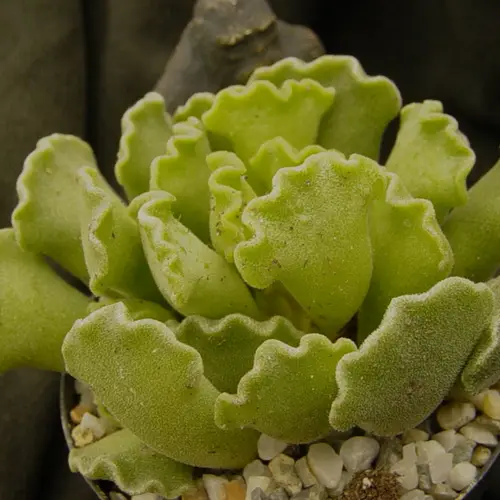
Cotyledon succulents are stunning foliage plants known for their distinctive wavy-edged leaves covered in a powdery bloom. These bushy, upright succulents thrive as indoor houseplants in Malaysia’s tropical climate when given proper care. This comprehensive guide covers everything you need to know about growing healthy Cotyledon plants in our warm, humid conditions (24-32°C, >80% humidity).
About Cotyledon Succulents
Classification: Foliage houseplant
Growth Habit: Bushy and upright succulent
Distinctive Features: Wavy-edged leaves with powdery bloom coating
Climate Suitability: Adapts well to Malaysian tropical conditions with proper care
Popular Cotyledon Varieties
- Cotyledon orbiculata – Features rounded, paddle-shaped leaves with red margins
- Cotyledon undulata (Silver Crown) – Displays dramatic wavy leaf edges with silvery-white coating
Essential Care Requirements for Malaysian Climate
Temperature
Cotyledon thrives in warm conditions, making it ideal for Malaysia’s consistent temperatures. Maintain indoor temperatures between 24-32°C. These succulents can tolerate our year-round warmth but should be protected from extreme heat during midday hours.
Light Requirements
Provide semi-shade with some direct sunlight. In Malaysia’s intense tropical sun, place your Cotyledon where it receives:
- Bright, indirect light for most of the day
- 2-3 hours of gentle morning sunlight
- Protection from harsh afternoon sun (12pm-4pm)
East-facing windows or covered patios work excellently. Insufficient light causes etiolation (leggy growth), while too much direct sun leads to sunburn.
Watering Guidelines
Water thoroughly only when the potting medium begins to dry out. This is crucial in Malaysia’s high-humidity environment:
- Check soil moisture by inserting your finger 2-3cm deep
- Water less frequently than you would in drier climates
- During monsoon season, reduce watering as humidity provides moisture
- Ensure excess water drains completely from the pot
- Never let the plant sit in waterlogged soil
Soil and Potting Medium
Use well-draining soil specifically formulated for cacti and succulents. In tropical climates, drainage is critical to prevent root rot. We recommend Serbajadi Cactus Soil, which provides optimal drainage while retaining just enough moisture for healthy growth.
Repotting
Repot only when necessary (every 2-3 years or when root-bound). Use either:
- Serbajadi Multipurpose Potting Mixture (2L) – Suitable for general repotting
- Serbajadi Potting Soil (5L) – Provides excellent aeration and drainage
Best time to repot: During the drier months (February-March or June-August) when the plant recovers faster.
Fertilizing
Feed your Cotyledon with Serbajadi Cactus Growing Inducer during the active growing season. This specialized formula promotes healthy foliage development and strengthens the plant’s natural defenses. Apply according to package directions, typically once monthly during active growth periods.
Common Problems and Solutions
Light-Related Issues
Discoloration or fading: Indicates insufficient light. Move to a brighter location with more indirect sunlight.
Sudden tall, leggy growth (etiolation): The plant is stretching toward light. Relocate to a spot with better light exposure.
Browned or calloused flesh: Sunburn from excessive direct sunlight. Move to semi-shade and gradually reintroduce limited morning sun.
Watering Problems
Shriveled or puckered leaves: Underwatering. Increase watering frequency slightly, but always allow soil to dry between waterings.
Brown, dry, or calloused patches: Severe underwatering. Water thoroughly and establish a more consistent schedule.
Mushy leaves that fall apart: Overwatering. Reduce watering immediately and check for root rot.
Browning or blackening leaves/stems: Overwatering damage. Allow soil to dry completely and improve drainage.
Browning or blackening at plant base: Root rot from overwatering. May require repotting in fresh, dry soil after removing affected roots.
Root and Drainage Issues
Root rot: Caused by poor drainage and/or overwatering. This is especially common in Malaysia’s humid climate. Prevention is key:
- Use pots with drainage holes
- Choose well-draining cactus soil
- Water less frequently during rainy season
- Ensure good air circulation around the plant
Pest Management
Mealybugs
These white, cottony pests are common on succulents in humid environments. Treatment:
- Wipe off visible mealybugs with a damp cloth or cotton bud
- Spray entire plant with Serbajadi Extra Strength Neem Spray
- Repeat treatment weekly until infestation clears
- Isolate affected plants to prevent spread
Spider Mites
These tiny pests attack water-stressed plants, creating fine webbing on leaves. Treatment:
- Wipe leaves with a damp cloth to remove mites and webbing
- Spray with Serbajadi Extra Strength Neem Spray
- Maintain proper watering schedule to prevent stress
- Increase humidity around plant if air is too dry (rare in Malaysia)
Scale Insects
Brown, shell-like bumps on stems and leaves. Treatment:
- Gently scrape off scales with a cotton bud or soft brush
- Wipe affected areas with rubbing alcohol
- Spray with Serbajadi Extra Strength Neem Spray
- Monitor closely and repeat treatment as needed
Tips for Success in Malaysian Climate
- Adjust for monsoon season: Reduce watering frequency during heavy rain periods when humidity is highest
- Ensure air circulation: Good airflow prevents fungal issues in humid conditions
- Watch for heat stress: During extreme heat waves, provide extra shade during midday
- Indoor vs outdoor: Cotyledon adapts well to indoor conditions with air conditioning, which reduces humidity
- Pot selection: Use terracotta or clay pots that allow soil to dry faster in humid environments
Frequently Asked Questions
How often should I water Cotyledon succulents in Malaysia?
In Malaysia’s humid climate (>80% humidity), water your Cotyledon only when the soil is completely dry, typically every 7-14 days. Reduce frequency during monsoon season to prevent root rot. Always check soil moisture before watering.
Can Cotyledon succulents tolerate direct Malaysian sunlight?
Cotyledon prefers semi-shade with some morning sunlight. Malaysia’s intense afternoon sun (24-32°C) can cause sunburn, appearing as brown or calloused patches on leaves. Provide bright, indirect light or filtered sunlight for best results.
What soil is best for Cotyledon in tropical climates?
Use specialized cactus soil with excellent drainage properties. In tropical Malaysia, well-draining soil is essential to prevent waterlogging from high humidity and monsoon rains. Serbajadi Cactus Soil is formulated specifically for these conditions.
How do I treat mealybugs on Cotyledon succulents?
Remove mealybugs by wiping them off with a damp cloth or cotton bud dipped in rubbing alcohol. Then spray the entire plant with organic neem spray like Serbajadi Extra Strength Neem Spray. Repeat treatment weekly until infestation clears.
Why is my Cotyledon growing tall and leggy?
Leggy growth (etiolation) indicates insufficient light. Move your Cotyledon to a brighter location with more indirect sunlight. In Malaysia’s indoor environments, place near east-facing windows for gentle morning light without harsh afternoon heat.
Conclusion
Cotyledon succulents make excellent houseplants for Malaysian homes when provided with proper care adapted to our tropical climate. The key to success lies in balancing light exposure, adjusting watering for high humidity, and using well-draining soil. With attention to these fundamentals and prompt pest management, your Cotyledon will reward you with beautiful, wavy-edged foliage year-round.
For all your Cotyledon care needs, explore our range of specialized products including cactus soil, growth fertilizers, and organic pest control solutions – all formulated for Malaysia’s unique growing conditions.