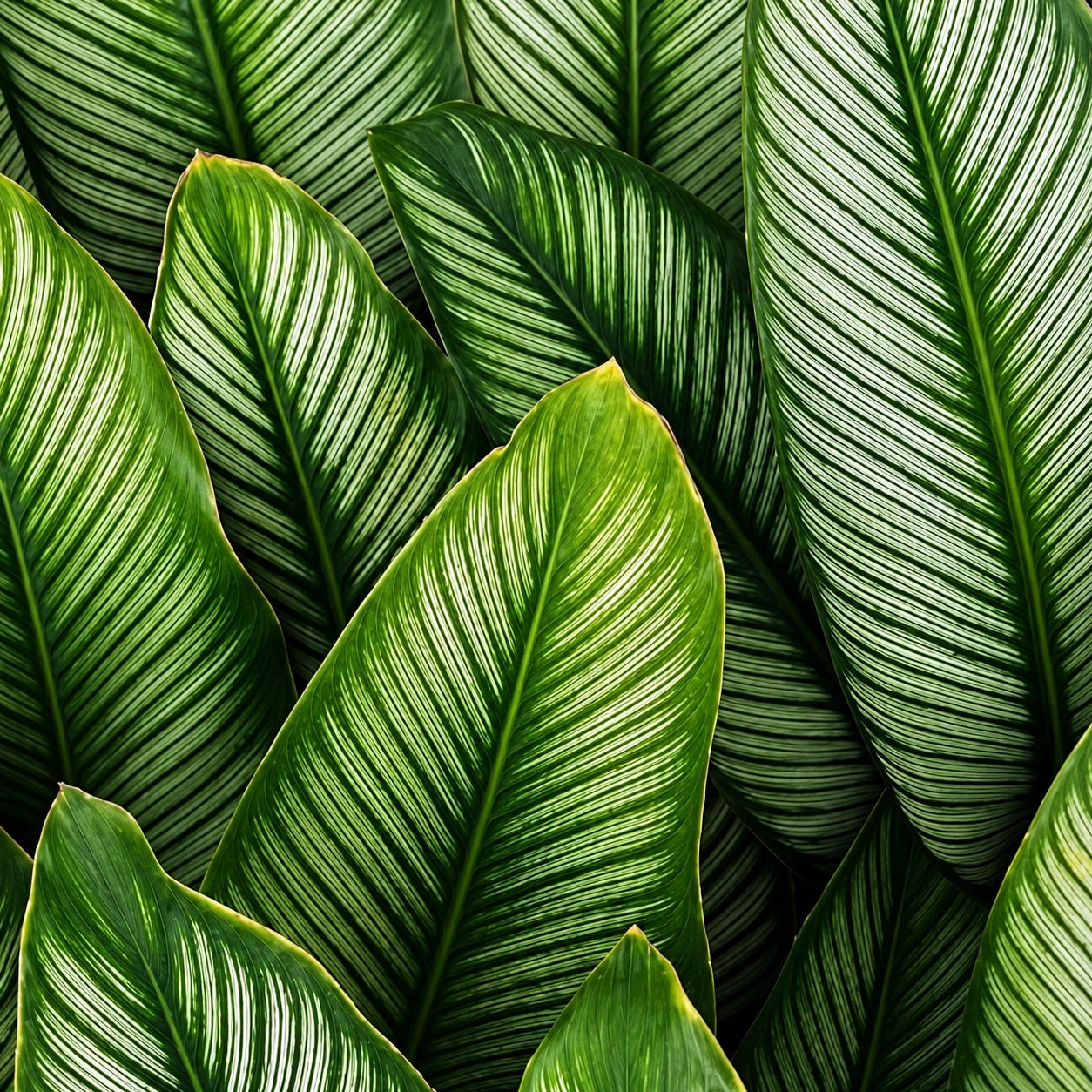
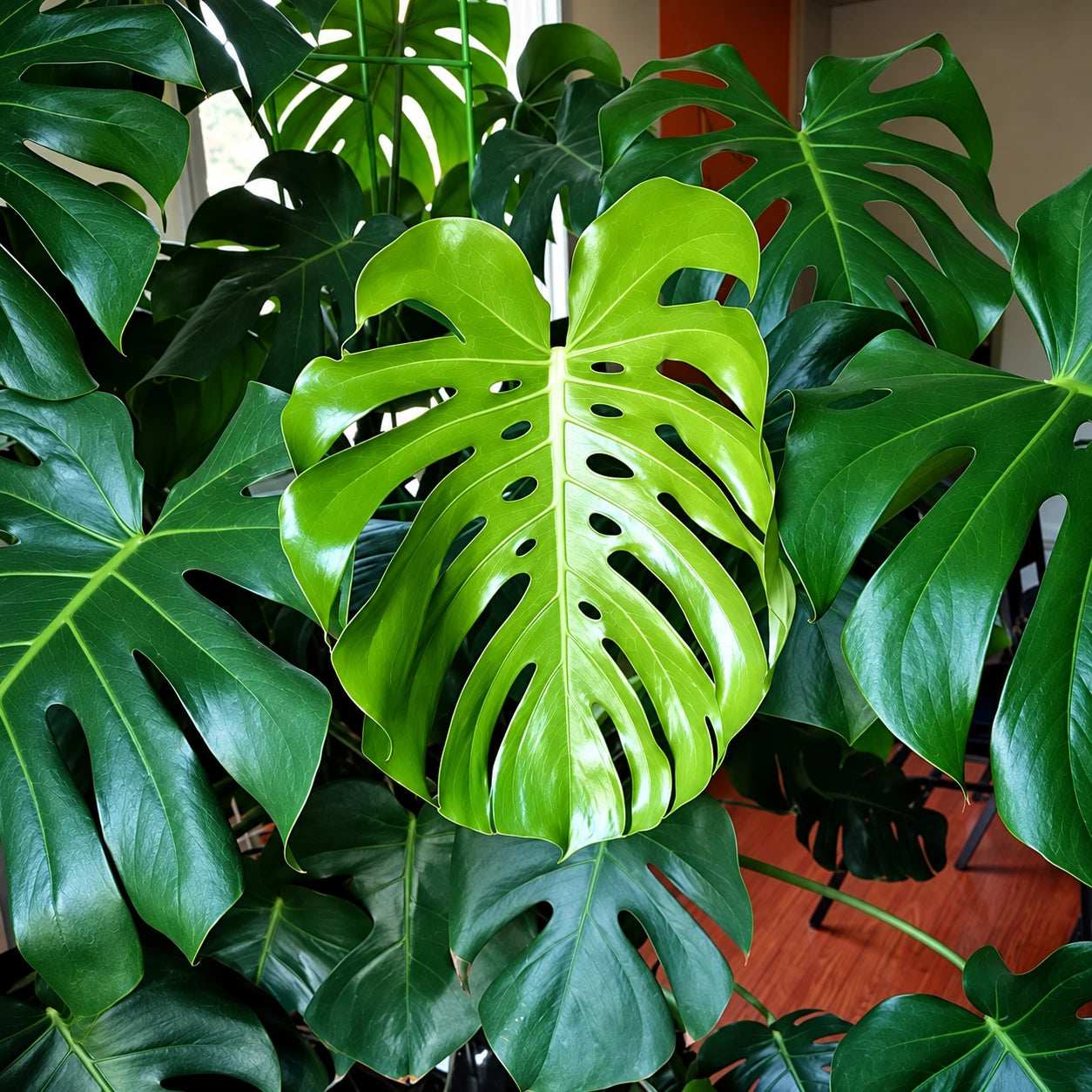
Philodendrons include climbers and self-supporting plants with a wide range of leaf shapes. Their care starts with knowing the variety and giving roots suitable growing media. Bright, filtered light suits many commonly grown types.
Understanding Philodendron Varieties
Philodendrons come in two main growth habits, each offering unique aesthetic appeal for your indoor garden:
Climbers & Trailing Varieties
These versatile philodendrons can be trained to climb moss poles or allowed to cascade from hanging baskets, suited to adding vertical interest to your space:
- Philodendron scandens (Sweetheart Plant) – Also known as Philodendron oxycardium, featuring heart-shaped leaves
- Philodendron erubescens (Blushing Philodendron) – Known for its reddish stems and leaf undersides
- Philodendron burgundy – Deep burgundy-colored foliage that adds drama
- Philodendron melanochrysum (Black Gold Philodendron) – Velvety dark leaves with striking appearance
- Philodendron hastatum (Elephant’s Ear Philodendron) – Large, arrow-shaped leaves
- Philodendron red emerald – Glossy leaves with red tones
- Philodendron panduriforme (Fiddleleaf Philodendron) – Unique fiddle-shaped leaves
- Philodendron angustisectum – Elegant, deeply cut foliage
- Philodendron ilsemannii – Compact climbing variety
- Philodendron imbe – Fast-growing climber
- Philodendron tuxla – Rare collector’s variety
Lobed & Star-Leaved Varieties
These self-heading philodendrons grow upright without support, creating impressive focal points:
- Philodendron bipinnatifidum (Tree Philodendron) – Large, deeply lobed leaves creating a tree-like appearance
- Philodendron selloum (Lacy Tree Philodendron) – Dramatic, lacy foliage suited to statement pieces
Essential Care Requirements for Malaysian Climate
Temperature & Humidity
Philodendrons thrive in Malaysia’s natural climate conditions. They prefer average warmth between 24-32°C, which aligns perfectly with our tropical temperatures. Our naturally high humidity (typically 80% or above) creates ideal growing conditions, though ensure good air circulation to prevent fungal issues during monsoon season.
Light Requirements
Position your philodendron in bright, indirect light, keeping it away from direct sunlight. Malaysia’s intense tropical sun can scorch leaves, causing pale foliage with straw-colored patches. East-facing windows or locations with filtered light through sheer curtains work best. If leaves become leggy with small, pale growth, increase light exposure gradually.
Watering Guidelines
Water thoroughly and regularly, allowing the top 2-3cm of soil to dry between waterings. In Malaysia’s humid climate, this typically means watering 2-3 times per week, though frequency should be adjusted based on:
- Monsoon season (reduce watering as humidity increases)
- Air conditioning (may require more frequent watering)
- Pot size and drainage capacity
- Plant size and growth rate
Warning signs of watering issues:
- Yellowing leaves = Overwatering or nutrient deficiency
- Yellowing lower leaves with brown spots = Underwatering
- Leaves weeping at edges = Drainage problems
- Brown, papery leaf tips = Low humidity, overwatering, or waterlogging
Soil & Repotting
Repot your philodendron every 2-3 years using well-draining, nutrient-rich soil. For good results in Malaysia’s climate, use:
- Serbajadi Organic Peat Moss – Excellent moisture retention with proper drainage
- Serbajadi Multi-Purpose Compost – Nutrient-rich organic matter for healthy growth
Choose pots with drainage holes to prevent waterlogging, especially important during Malaysia’s heavy monsoon rains.
Fertilising Schedule
Feed your philodendron regularly during the growing season with Serbajadi Plant Food Organic Plus 23 Growing Fertiliser every 2-4 weeks. This balanced fertiliser promotes lush, vibrant foliage growth. Reduce feeding frequency during slower growth periods or if you notice salt buildup on soil surface.
Common Problems & Solutions
Leaf Issues
| Symptom | Cause | Solution |
|---|---|---|
| Yellowing leaves | Overwatering or nutrient deficiency | Reduce watering frequency; apply fertiliser |
| Pale leaves with straw-colored patches | Too much direct sunlight | Move to location with indirect light |
| Brown, papery tips and edges | Low humidity, overwatering, or waterlogging | Improve drainage; mist leaves occasionally |
| Leggy growth with small, pale leaves | Insufficient light | Move to brighter location (indirect light) |
| No holes in leaves (Monstera types) | Insufficient light, water, or nutrients | Increase light exposure; ensure proper watering and fertilising |
| Leaves turn brown and dry before falling | Temperature too warm | Improve ventilation; move to cooler location |
| Loss of lower leaves | Normal ageing process | No action needed; remove dead leaves |
Stem & Root Problems
- Rotting stems: Caused by drainage issues combined with low temperatures. Improve drainage, reduce watering, and ensure adequate warmth.
- Leaves weeping at edges: Indicates drainage problems. Repot with fresh, well-draining soil mix.
Pest Management
While philodendrons are relatively pest-resistant, Malaysia’s humid climate can occasionally attract:
- Scale insects: Wipe off with a damp cloth or cotton bud, then spray with GarNeem Spray
- Spider mites: Appear as brown spots on leaf undersides. Wipe off and spray with GarNeem Spray. Prevent by maintaining consistent watering (spider mites attack water-stressed plants)
Important Safety Information
Pet Safety Warning: Philodendrons are toxic to cats and dogs. All parts of the plant contain calcium oxalate crystals that can cause mouth irritation, excessive drooling, vomiting, and difficulty swallowing if ingested. Keep philodendrons out of reach of pets and children. If ingestion occurs, contact a veterinarian immediately.
Tips for Success in Malaysian Homes
- Monsoon season adjustments: Reduce watering frequency during heavy rain periods when humidity peaks
- Air-conditioned rooms: May require more frequent watering and occasional misting
- Support for climbers: Use moss poles or trellises to encourage upward growth and larger leaf development
- Pruning: Trim leggy growth to maintain compact shape and encourage bushier growth
- Propagation: Easy to propagate from stem cuttings in water or soil during warm months
Frequently Asked Questions
Are philodendrons safe for pets?
No, philodendrons are toxic to cats and dogs. They contain calcium oxalate crystals that can cause mouth irritation, drooling, vomiting, and difficulty swallowing if ingested. Keep philodendrons out of reach of pets and children.
Why are my philodendron leaves turning yellow?
Yellow leaves typically indicate overwatering or nutrient deficiency. Check soil moisture – if wet, reduce watering frequency. If soil is appropriate, feed with Serbajadi Plant Food Organic Plus 23 to address nutrient deficiency. In Malaysia’s monsoon season, ensure proper drainage to prevent waterlogging.
How often should I water philodendron in Malaysia?
In Malaysia’s tropical climate with high humidity (80%+), water philodendrons 2-3 times per week when the top 2-3cm of soil feels dry. During monsoon season, reduce frequency as humidity increases. Always check soil moisture before watering to prevent root rot.
What’s the best fertiliser for philodendrons?
Use a balanced fertiliser like Serbajadi Plant Food Organic Plus 23 Growing Fertiliser every 2-4 weeks during the growing season. This provides essential nutrients for lush foliage growth. Reduce fertilising frequency during slower growth periods.
Can philodendrons grow in direct sunlight?
No, philodendrons prefer bright, indirect light and should be kept away from direct sunlight. Malaysia’s intense tropical sun (24-32°C) can scorch leaves, causing pale leaves with straw-colored patches. Position near east-facing windows or use sheer curtains to filter light.
Your next growing step
Observe your plant, make one change at a time and give it time to respond. Use the guidance above alongside your growing conditions and the directions on any product you choose.