How to Choose the Right Fertiliser for Your Plants in Malaysia
Choosing the right fertiliser for your plants can feel overwhelming with so many options available. Whether you’re growing vibrant flowering plants, productive vegetable gardens, or lush foliage, understanding how to select the proper fertiliser is essential for healthy plant growth in Malaysia’s tropical climate. This comprehensive guide will help you decode fertiliser labels, understand plant nutritional needs, and make informed decisions for your garden.
Understanding N-P-K Ratios: The Foundation of Fertiliser Selection
Every fertiliser package displays three numbers, such as 15-15-15 or 10-20-10. These numbers represent the N-P-K ratio, which stands for:
- N (Nitrogen): Promotes lush, green foliage and vigorous vegetative growth. Essential for leafy vegetables and ornamental plants with attractive foliage.
- P (Phosphorus): Supports strong root development, flower formation, and seed production. Critical during the flowering and fruiting stages.
- K (Potassium): Enhances overall plant health, disease resistance, fruit quality, and helps plants withstand environmental stress.
The numbers indicate the percentage of each nutrient by weight. For example, a 15-15-15 fertiliser contains 15% nitrogen, 15% phosphorus, and 15% potassium, with the remaining 55% consisting of filler materials and trace elements.
Matching Fertiliser to Your Plant’s Growth Stage
For Leafy Growth and Foliage
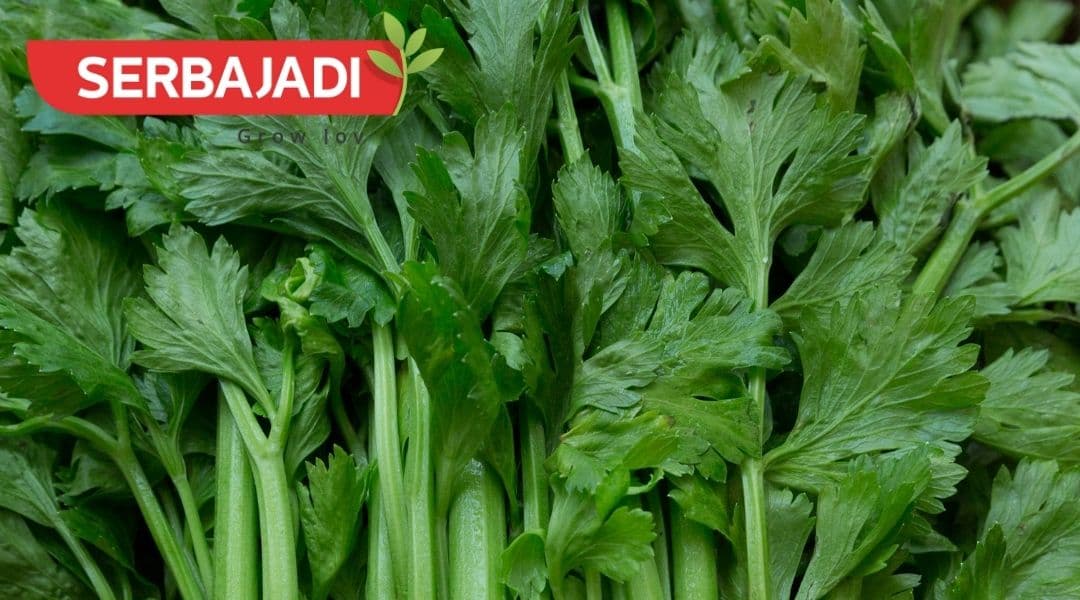
Plants in their vegetative stage or foliage plants like ferns, philodendrons, and leafy vegetables require higher nitrogen levels. Look for fertilisers with a higher first number in the N-P-K ratio. Serbajadi Growing Inducer 45 provides balanced nutrition with emphasis on vegetative growth, perfect for establishing strong, healthy plants in Malaysia’s warm climate.
For plants with stunning foliage, High N Foliage Booster 57 delivers concentrated nitrogen for lush, vibrant leaves.
For Flowering Plants
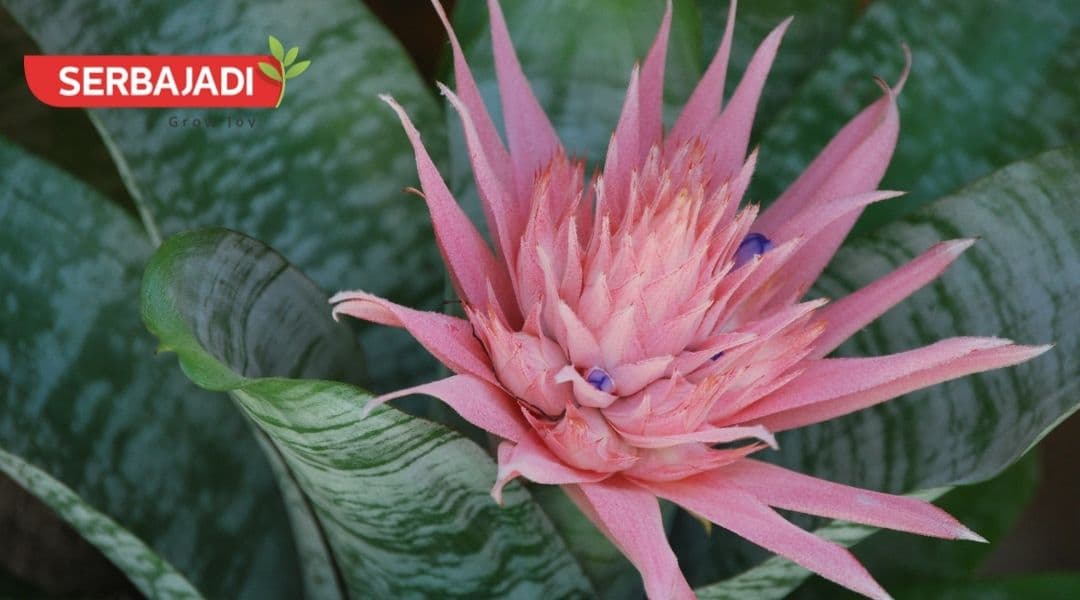
When you want abundant blooms, phosphorus becomes the priority nutrient. Fertilisers with a higher middle number (like 10-20-10) encourage flower bud formation and vibrant blooms. Serbajadi Flowering Inducer 47 is specially formulated to promote spectacular flowering in tropical conditions.
For an extra boost during blooming season, High P Flowering Booster 73 provides concentrated phosphorus for larger, more colourful flowers.
For Fruiting Plants
Fruit-bearing plants need potassium to develop sweet, flavourful fruits with good size and colour. Choose fertilisers with a higher third number. Serbajadi Fruiting Inducer 43 supports healthy fruit development, while High K Fruiting Booster 66 maximises fruit quality and sweetness.
Plant-Specific Fertilisers: Precision Nutrition for Better Results
While general-purpose fertilisers work for many plants, specialised formulas deliver superior results for specific plant types. Serbajadi offers targeted nutrition for:
- Orchids: Orchid Flower Booster and Orchid Growth Booster
- Roses: Organic Rose Food Special
- Bougainvillea: Special Bougainvillea Fertiliser 48
- Fruit Trees: Mango Flowering 51, Mango Fruiting 56, and Citrus Special Fertiliser
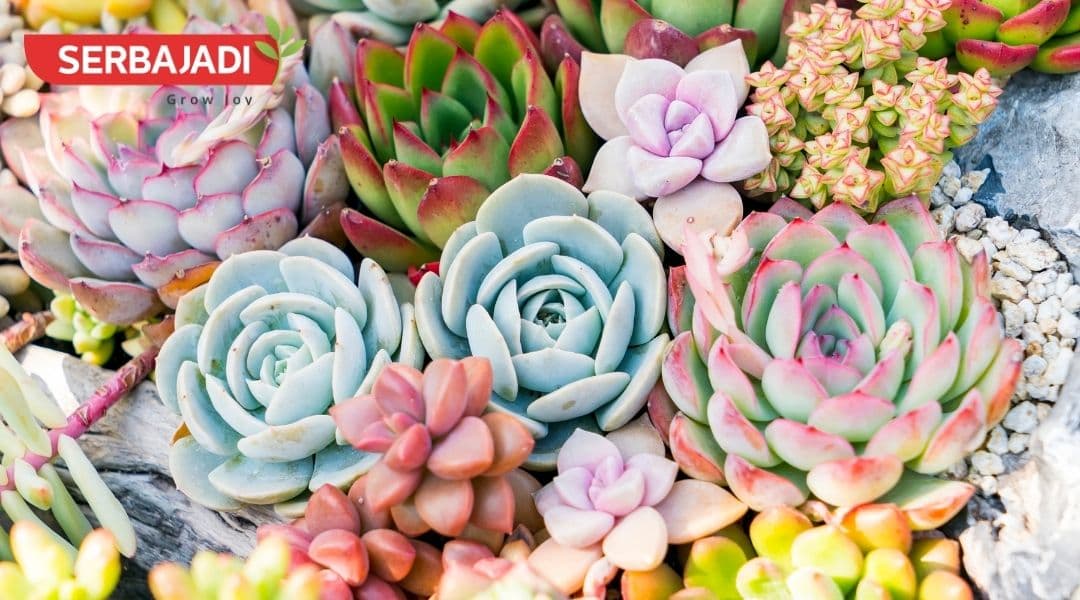
- Cacti & Succulents: Cactus Growing Inducer and Cactus Flowering Inducer
- Vegetables: Organic Vegetable Fertiliser
- Lawns: LawnMaster
Organic vs. Inorganic Fertilisers: Making the Right Choice
Organic Fertilisers
Organic fertilisers are derived from plant or animal sources, such as compost, manure, or seaweed. They release nutrients slowly as soil microorganisms break them down, improving soil structure and microbial activity over time. Products like Vermicompost and Multi-Purpose Compost enrich soil health while feeding plants.
Important Safety Note: “Organic” refers to material origin (plant/animal sources), not safety certification. All fertilisers—organic or inorganic—require proper handling. For edible crops, always observe a strict 7-day withholding period between fertiliser application and harvest, and wash all produce thoroughly before consumption.
Inorganic (Synthetic) Fertilisers
Inorganic fertilisers are manufactured to provide precise nutrient ratios with immediate availability. They’re ideal when plants need quick nutrition or when targeting specific deficiencies. Most Serbajadi formulas are scientifically balanced for optimal performance in tropical conditions.
Special Considerations for Malaysia’s Tropical Climate
Gardening in Malaysia’s tropical climate (24-32°C with high humidity and monsoon seasons) presents unique challenges:
Monsoon Season Nutrient Loss
Heavy rainfall during monsoon seasons can wash away water-soluble nutrients before plants absorb them. Controlled Release Fertiliser provides steady nutrition over 3-6 months, preventing nutrient washout and reducing application frequency.
High-Temperature Stress
Malaysia’s year-round warmth accelerates plant metabolism, increasing nutrient demands. Regular feeding every 2-4 weeks during active growth ensures plants receive adequate nutrition. Agromarine Kelp & Seaweed Fertiliser helps plants cope with heat stress while promoting strong root systems.
Quick-Acting Foliar Feeds
For rapid nutrient correction, foliar sprays deliver nutrition directly through leaves. Growth Master FS35 Spray and Flower Master FS28 Spray provide instant nutrition during critical growth periods.
Reading Fertiliser Labels: What to Look For
Beyond the N-P-K ratio, quality fertiliser labels provide:
- Application rates: How much to use per plant or area
- Frequency: How often to apply
- Method: Soil application, foliar spray, or both
- Plant types: Recommended uses
- Secondary nutrients: Calcium, magnesium, sulfur
- Micronutrients: Iron, manganese, zinc, copper, boron, molybdenum
Always follow package instructions for best results and plant safety.
Common Fertiliser Mistakes to Avoid
- Over-fertilising: More is not better. Excess fertiliser can burn roots and damage plants. Follow recommended rates.
- Wrong timing: Fertilising dormant plants wastes product and may harm them. Feed during active growth periods.
- Ignoring soil pH: Nutrient availability depends on proper pH. Use Garden Lime to adjust acidic soils.
- Neglecting soil health: Fertiliser works best in healthy soil. Incorporate compost regularly to improve soil structure.
- Using the wrong formula: Match fertiliser to plant needs—flowering formulas for blooms, fruiting formulas for fruit production.
Getting Started: Fertiliser Recommendations by Garden Type
Ornamental Garden
Start with Growing Inducer 45 for overall growth, then switch to Flowering Inducer 47 when buds appear.
Vegetable Garden
Use Organic Vegetable Fertiliser throughout the growing season. Remember the 7-day withholding period before harvest.
Fruit Trees
Apply Fruit Tree Growing Inducer 42 during vegetative growth, Fruit Tree Flowering Inducer 50 when flowering, and Fruit Tree Fruiting Inducer 38 during fruit development.
Container Plants
Potted plants need regular feeding as nutrients leach quickly. Use Controlled Release Fertiliser for convenience or liquid feeds every 2 weeks.
Frequently Asked Questions About Choosing Fertiliser
What do the numbers on fertiliser packaging mean?
The three numbers on fertiliser packaging represent the N-P-K ratio: Nitrogen (N) for leafy growth, Phosphorus (P) for flowering and root development, and Potassium (K) for fruiting and overall plant health. For example, a 15-15-15 fertiliser contains 15% of each nutrient.
Should I use organic or inorganic fertiliser?
Both types work effectively. Organic fertilisers are derived from plant or animal sources and improve soil structure over time, while inorganic fertilisers provide faster nutrient availability. In Malaysia’s tropical climate with heavy monsoon rains, controlled-release formulas help prevent nutrient washout regardless of type. Always observe a 7-day withholding period before harvesting edible crops with any fertiliser.
How often should I fertilise my plants in Malaysia?
In Malaysia’s tropical climate (24-32°C with high humidity), plants grow actively year-round and require regular feeding. Most plants benefit from fertilising every 2-4 weeks during active growth. During monsoon seasons, use slow-release or controlled-release fertilisers to prevent nutrients from washing away with heavy rainfall.
Can I use the same fertiliser for all my plants?
While general-purpose fertilisers work for many plants, plant-specific formulas deliver better results. Orchids, cacti, roses, fruit trees, and vegetables have unique nutritional needs. Serbajadi offers specialised fertilisers for specific plant types that are optimised for Malaysian growing conditions.
What’s the best fertiliser for flowering plants in Malaysia?
For flowering plants, choose fertilisers with higher phosphorus (P) content, indicated by a higher middle number in the N-P-K ratio. Serbajadi Flowering Inducer 47 is specifically formulated to promote abundant blooms in tropical conditions. For specific plants like orchids or bougainvillea, use their dedicated formulas for optimal results.
Find Your Perfect Fertiliser at Serbajadi
Choosing the right fertiliser doesn’t have to be complicated. By understanding N-P-K ratios, matching nutrients to your plant’s growth stage, and considering Malaysia’s tropical climate, you’ll provide your plants with exactly what they need to thrive.
Browse our complete range of fertilisers at Serbajadi Grow Joy Shop, where you’ll find specialised formulas for every plant type and growing situation. For more in-depth information about fertiliser science and application techniques, check out our guide on Important Facts of Fertilizers.
Have questions about which fertiliser is right for your specific plants? Our team of horticulture experts is here to help you grow with confidence in Malaysia’s tropical paradise.