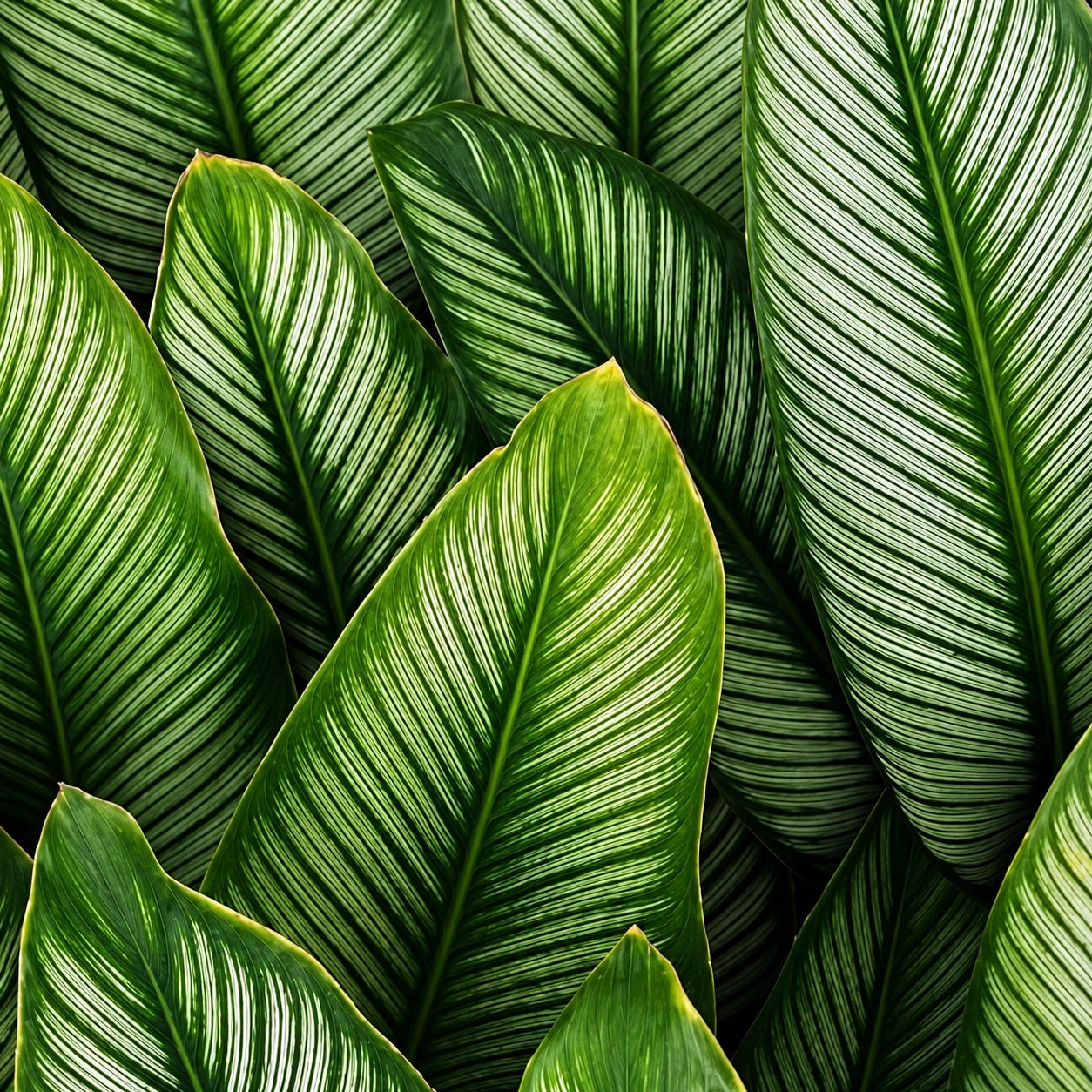
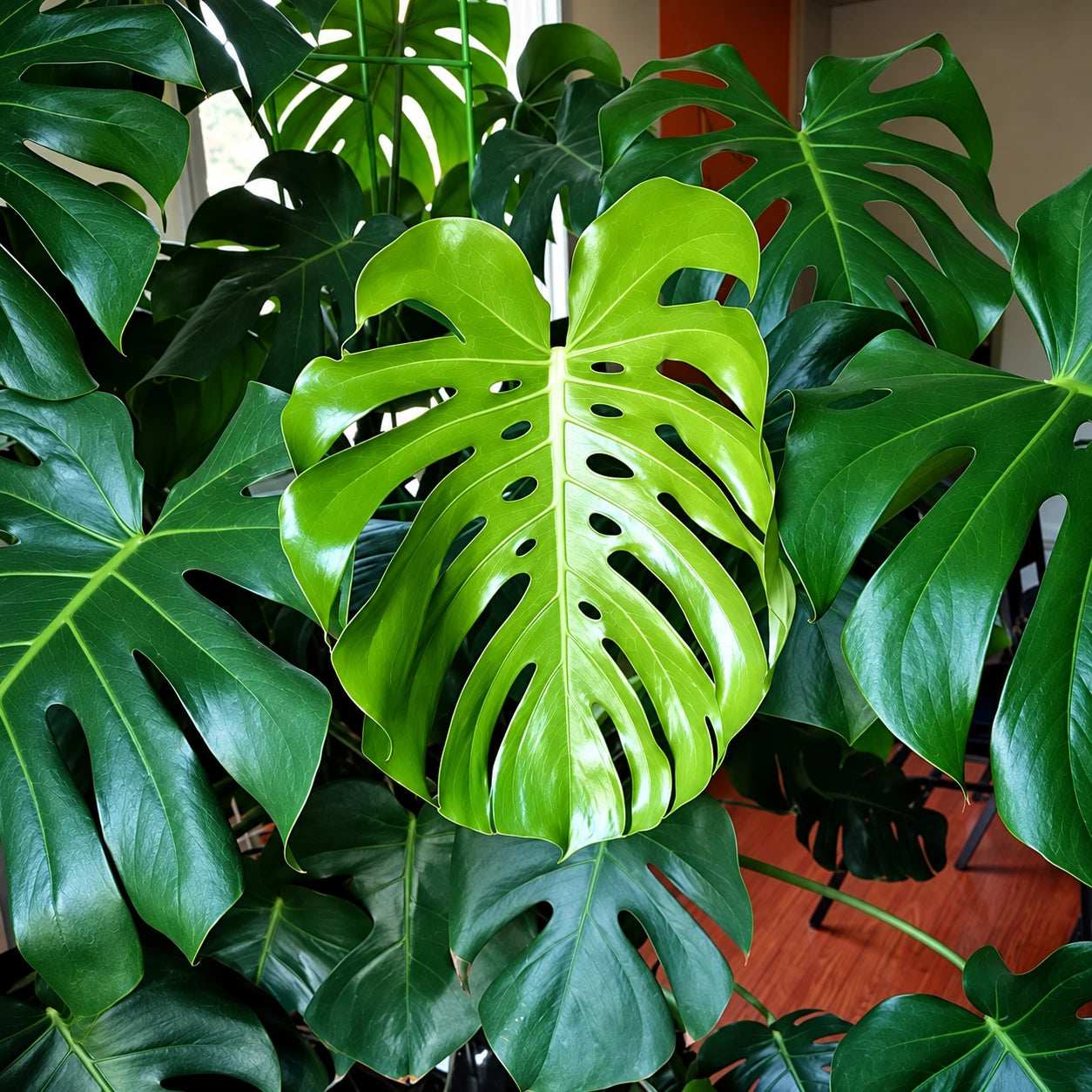
Cane palms bring upright stems and arching fronds to a growing space. A suitable bright position and balanced moisture help maintain healthy foliage. Check the palm's identity, since mature size and light needs differ between species.
Understanding Cane Palms
Classification: Foliage houseplant
Plant Group: Palms
Distinctive Character: Tall reed-like stems similar to bamboo canes with feathery, arching fronds
Pet Safety: Yes, safe for cats and dogs
Popular Cane Palm Varieties
- Chamaedorea erumpens – Compact clustering palm with elegant fronds
- Chamaedorea seifrizii (Bamboo Palm) – Fast-growing with multiple bamboo-like stems
- Chrysalidocarpus lutescens (Areca Palm, Butterfly Palm) – Golden-yellow stems with feathery leaves
Essential Care Requirements for Malaysian Climate
Temperature & Light
Temperature: Cane palms thrive in Malaysia’s average warmth of 24-32°C. They appreciate consistent temperatures and should be protected from cold air conditioning drafts.
Light Requirements: Partial shade to bright indirect light works best. While cane palms tolerate lower light conditions, they grow more vigorously with filtered sunlight. Avoid direct afternoon sun, which can scorch the delicate fronds. Position near east-facing windows or in well-lit corners away from harsh rays.
Watering Guidelines
Water liberally, keeping the soil consistently moist but never waterlogged. In Malaysia’s tropical climate:
- Check soil moisture regularly – water when the top 2-3cm feels dry
- During hot, dry periods, you may need to water 2-3 times weekly
- During monsoon season, reduce frequency but maintain consistent moisture
- Always ensure pots have drainage holes to prevent root rot
- Use room-temperature water to avoid shocking the roots
Soil & Repotting
Cane palms prefer well-draining, nutrient-rich soil. Repot only when the plant becomes root-bound, typically every 2-3 years. Choose a pot only slightly larger than the current one.
Recommended Growing Media:
- Serbajadi Multi-Purpose Compost – Excellent moisture retention with good drainage
- Serbajadi Potting Soil – Balanced mix ideal for container palms
Fertilising Schedule
Feed your cane palm every 4-6 weeks during the growing season to maintain lush, green foliage. Malaysia’s year-round warmth means these palms grow continuously, requiring regular nutrition.
Recommended Fertiliser:
Serbajadi Growing Inducer 45 – Balanced NPK formula suited to maintaining healthy palm growth and preventing yellowing leaves.
Common Problems & Solutions
Leaf Issues
Brown Leaf Tips:
- Causes: Low humidity, underwatering, or physical damage from touching
- Solutions: Increase watering frequency, mist leaves regularly, avoid touching fronds, keep away from air conditioning vents
Brown Spots on Leaves:
- Causes: Leaf spot disease, overwatering, or sudden temperature changes
- Solutions: Improve air circulation, reduce watering, remove affected leaves, ensure consistent temperatures
Yellowing Leaves:
- Causes: Underwatering or nitrogen deficiency
- Solutions: Adjust watering schedule, apply Serbajadi Growing Inducer 45 for nutrient boost
Completely Brown Leaves:
- Natural ageing: Lower leaves naturally brown and die – simply trim them off
- With rotting: Indicates overwatering – reduce water frequency and check for root rot
Pest Management
Common Pests
Scale Insects:
- Appear as small brown bumps on stems and leaf undersides
- Wipe off with a damp cloth or cotton bud
- Spray with Serbajadi GarNeem Spray for organic control
Mealybugs:
- White, cottony masses in leaf axils and stems
- Remove manually with damp cloth or cotton bud dipped in rubbing alcohol
- Follow up with Serbajadi GarNeem Spray
Aphids:
- Small green or black insects clustering on new growth
- Spray plant with high-pressure water to dislodge
- Apply Serbajadi GarNeem Spray for prevention and control
Benefits of Growing Cane Palms
Enjoying plants indoors
Grow this plant for its foliage and the pleasure of caring for it. Houseplants are not a substitute for ventilation or measures that address indoor air pollution.
Humidity Regulation
Cane palms naturally release moisture into the air through transpiration, helping to maintain comfortable humidity levels in air-conditioned spaces – a valuable benefit in Malaysia’s climate-controlled environments.
Low Maintenance Beauty
Once established, cane palms require minimal care while providing year-round tropical elegance. Their graceful form and lush foliage create instant resort-style ambiance in any indoor setting.
Tips for Success in Malaysia
- Monsoon Care: During heavy rain periods, move outdoor potted palms under shelter to prevent waterlogging
- Humidity Boost: While Malaysia is naturally humid, air-conditioned rooms can be dry – group plants together or use a pebble tray for extra moisture
- Dust Management: Wipe leaves monthly with a damp cloth to remove dust and allow efficient photosynthesis
- Gradual Acclimatization: When bringing new palms home, gradually introduce them to their permanent location over 1-2 weeks
- Pruning: Remove brown or damaged fronds at the base to maintain appearance and plant health
Frequently Asked Questions
Are cane palms safe for pets?
Yes, cane palms including bamboo palm (Chamaedorea seifrizii) and areca palm (Chrysalidocarpus lutescens) are non-toxic and safe for cats and dogs, making them excellent choices for pet-friendly homes.
Why do cane palm leaves turn brown at the tips?
Brown tips on cane palm leaves are typically caused by low humidity, underwatering, or physical damage from touching. In Malaysia’s humid climate, this is often due to inconsistent watering or placing the palm too close to air conditioning vents.
How often should I water my cane palm in Malaysia?
Water your cane palm liberally when the top 2-3cm of soil feels dry. During Malaysia’s hot months, this may mean watering 2-3 times per week. During monsoon season, reduce frequency but ensure good drainage to prevent waterlogging.
Do cane palms really purify indoor air?
Grow this plant for its decorative foliage. Houseplants do not replace ventilation or measures that address indoor air pollution.
What’s the best fertiliser for cane palms?
Use a balanced fertiliser like Serbajadi Growing Inducer 45 every 4-6 weeks during the growing season. For yellowing leaves indicating nitrogen deficiency, this fertiliser provides the essential nutrients cane palms need to maintain their lush green foliage in tropical conditions.
Your next growing step
Observe your plant, make one change at a time and give it time to respond. Use the guidance above alongside your growing conditions and the directions on any product you choose.
Ready to start your cane palm journey? Explore our range of quality potting mixes and specialised fertilisers to give your palms the best start possible.